
![[Title] Tried and tested: Beginner-friendly cycling routes in Japan](https://touring-shimanami.com/wp-content/uploads/2026/01/japancyclinte-ogp.png)
I have carefully selected my personal 11 best sightseeing cycling routes across Japan. These routes are easy to enjoy with rental bikes, even for first-time visitors to Japan, and each one lets you experience a real sense of travel within a single day. In this article, I share hands-on reviews based on my own rides.
Hello, I am Kawai, a cyclist living on the Shimanami Kaido, the most famous cycling routes in Japan. This is a personal website where I have gathered information for travel planning.
- Sightseeing cycling routes in Japan
- 11 Scenic cycling routes in Japan
- ① Shimanami Kaido
- ② Biei & Furano
- ③ Matsue – Lake Shinji – Izumo
- ④ Tsukuba Rinrin Road
- ⑤ Lake Biwa
- ⑥ Okhotsk Cycling Road
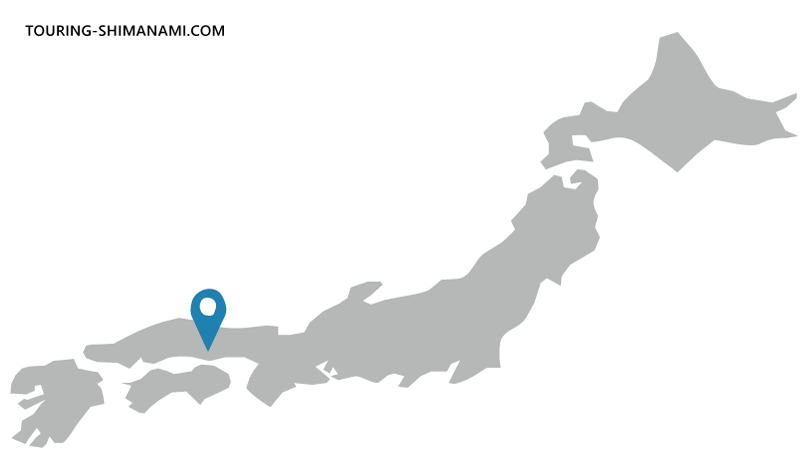
- ⑦ Kibiji Cycling Road
- ⑧ Iwaki Nanahama Kaido
- ⑨ Yabakei Cycling Road
- ⑩ Wakasa & Mikata Five Lakes
- ⑪ Azumino & Matsumoto
- Cycling routes beyond the top 11
- Tips for sightseeing cycling
- Frequently asked questions
Sightseeing cycling routes in Japan
The growing Japan’s cycle tourism
In recent years, the term “cycle tourism” has become much more common in Japan. Across the country, routes designed for sightseeing cyclists are being developed, rental bike hubs are increasing, and accommodations and support services that welcome cyclists are slowly but steadily improving. In the past, cycling trips in Japan often felt like something only experienced riders could enjoy. Today, however, I feel that rental cycling is becoming a realistic and attractive travel option at destinations all over Japan.
![[Photo] Cycling routes in Japan: Cycle tourism spreading across the country](https://touring-shimanami.com/wp-content/uploads/2024/02/shimanami-convinicycle-1.jpg)
Cycling has been my hobby for many years, and I have traveled by bicycle to many different regions across Japan. Coastal roads, cycling paths that follow rivers, quiet routes winding through rural farmland, and gentle hilly areas with just a bit of climbing—each place creates a completely different impression of a cycling journey. What I have come to feel most strongly is that the routes that leave the deepest memories are not necessarily the famous tourist spots themselves, but the roads leading to them and the time spent riding. Those experiences tend to make a trip far more satisfying.
11 Scenic cycling routes in Japan
How I selected my best cycling routes
Based on these personal experiences, I decided to select and introduce 11 cycling routes in Japan that I personally feel are especially well suited for sightseeing by bicycle—my own “best choices.” None of these are hard, competition-oriented routes. Instead, I focused on courses where you can ride at a relaxed pace, enjoy the scenery, and really feel the atmosphere of each place. In terms of distance and elevation, I mainly chose routes that are easy to plan as a trip for beginner to intermediate cyclists.
![[Illustration] A map of Japan with my chosen 11 sightseeing cycling routes (to get an overview of the locations)](https://touring-shimanami.com/wp-content/uploads/2026/01/nihoncycling.png)
- Beginner-friendly routes of 30–40 km
- Well-developed cycling tourism with rentals and clear signage
- Easy access by public transportation
- Personally ridden and highly recommended based on experience
All of the routes introduced here can also be enjoyed by renting a bicycle locally. Recommendations for people who bring their own bikes to Japan for long-distance touring are something I would like to cover another time. For this article, I focused on routes that are easy to try even if you simply want to experience sightseeing cycling in Japan for the first time. Some of the routes I selected are still relatively unknown to travelers from overseas.
① Shimanami Kaido (Hiroshima & Ehime)
② Biei & Furano (Hokkaido)
③ Matsue–Lake Shinji–Izumo Route (Shimane)
④ Tsukuba Rinrin Road (Ibaraki)
⑤ Eastern–Northern Lake Biwa (Shiga)
⑥ Okhotsk Cycling Road (Hokkaido)
⑦ Kibiji Cycling Road (Okayama)
⑧ Iwaki Nanahama Kaido (Fukushima)
⑨ Yabakei Cycling Road (Oita)
⑩ Wakasa Bay & Mikata Five Lakes (Fukui)
⑪ Azumino Yamabiko Cycling Road (Nagano)
I revisited and researched the latest information to write these reviews based on my own rides of each route. I hope that the 11 cycling routes introduced here will serve as inspiration for including cycling in your travel plans in Japan and spark your interest in visiting these wonderful places.
Please note that some information may have changed since my visits, so be sure to check the latest details before you go.
AD (Google AdSense)
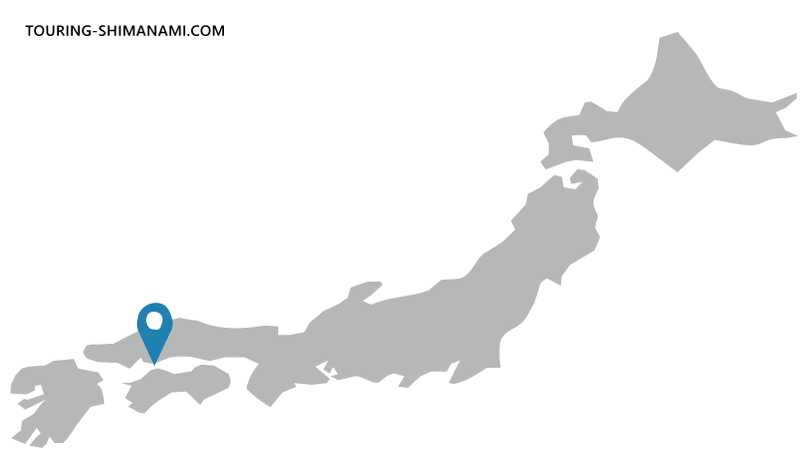
① Shimanami Kaido
Cycle across islands and bridges with calm inland sea views
Shimanami Kaido Cycling Route ReviewsRiding over the sea felt incredible. The views from the bridges were even more impressive than photos.
The full route is longer and tougher than expected. Beginners should choose shorter sections.
Bike rental was smooth and well organized, making it easy to start even for first-time visitors.
When talking about scenic cycling routes in Japan, the Shimanami Kaido is absolutely essential. This route connects Honshu and Shikoku via seven bridges that link islands scattered across the Seto Inland Sea. It is the most famous cycling route in Japan and, at the same time, incredibly friendly for first-time visitors—a true “holy land” for cyclists. The experience of crossing the sea by bicycle is something truly special and can hardly be found anywhere else in the country.
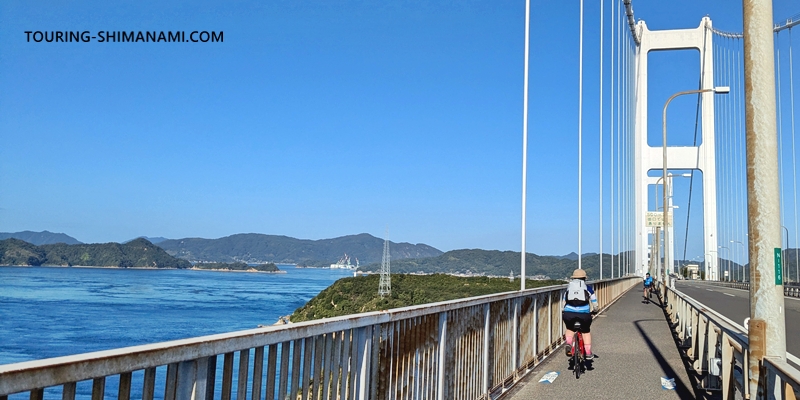
The greatest highlight of the Shimanami Kaido is undoubtedly the scenery from the bridges. Each time you cross one of the major bridges—such as the Kurushima Kaikyo Bridge, Tatara Bridge, or Innoshima Bridge—you are rewarded with expansive views of the calm Seto Inland Sea and its many islands below. Bridges that would pass by in an instant when driving become memorable experiences when crossed slowly by bicycle, allowing you to truly feel as if you are riding above the sea.
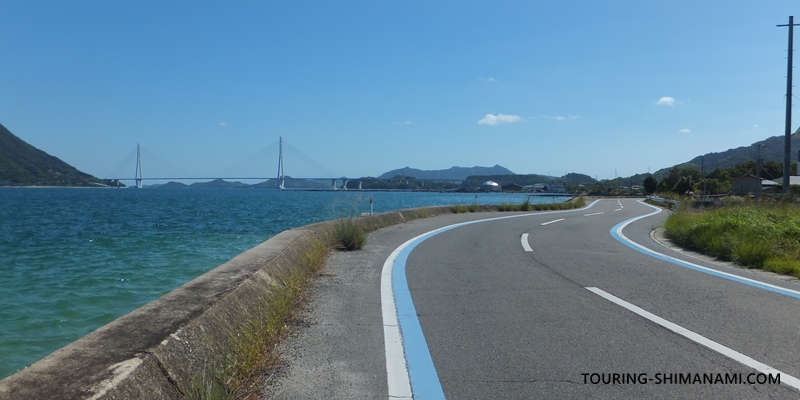
Another reassuring point for first-time visitors is how easy the route is to follow. Along the Shimanami Kaido, a blue line painted on the road clearly indicates the cycling direction. By simply following this line, it is almost impossible to get lost. You do not need to constantly check a map, which allows you to focus fully on the scenery and the joy of cycling itself.
![[Photos] Cycling routes in Japan: Bicycle rentals meet a variety of needs](https://touring-shimanami.com/wp-content/uploads/2025/03/kidsbike-rental-3.jpg)
Another reason why the Shimanami Kaido is so well suited for sightseeing cycling is the outstanding rental bike infrastructure—arguably among the best in Japan. Public bicycle rental terminals are available in Imabari, Onomichi, and on each of the islands along the route. Many of these services offer convenient one-way rentals, allowing you to return the bike at a different terminal from where you started. In recent years, electric-assist bicycles have also become widely available, giving travelers who are concerned about hills or longer distances a comfortable and stress-free way to enjoy the journey.
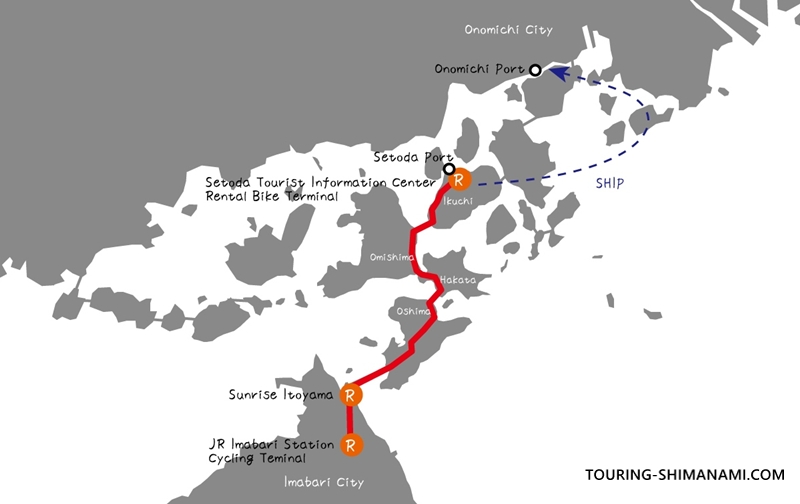
At around 70 km in total, the Shimanami Kaido may sound long at first, but it is by no means a route that you must complete in one go. Ferries and high-speed boats connect many of the islands, making it easy to adjust your riding distance depending on your energy level or schedule. You can enjoy just a section of the route in one day, or take two days or more to cross at a relaxed pace. This flexibility is a major reason why I recommend the Shimanami Kaido even to people who do not ride bicycles regularly.
| Cycling Route | Imabari – Omishima | Shimanami Kaido Cycling Route |
|---|---|---|
| Example Start Point | JR Imabari Station | JR Imabari Station or JR Onomichi Station |
| Example End Point | Tatara Shimanami Park (Roadside Station) | JR Imabari Station or JR Onomichi Station |
| Approximate Distance | About 40 km | About 70 km (shortest full route) |
| Estimated Time | 5–6 hours | 2 days / 1 night |


- Yumeshima Kaido
A quiet island-hopping route with gentle roads and a relaxed local atmosphere. - Tobishima Kaido
A scenic coastal route linking small islands with bridges and sea views.
② Biei & Furano
Ride through rolling hills and colorful countryside landscapes
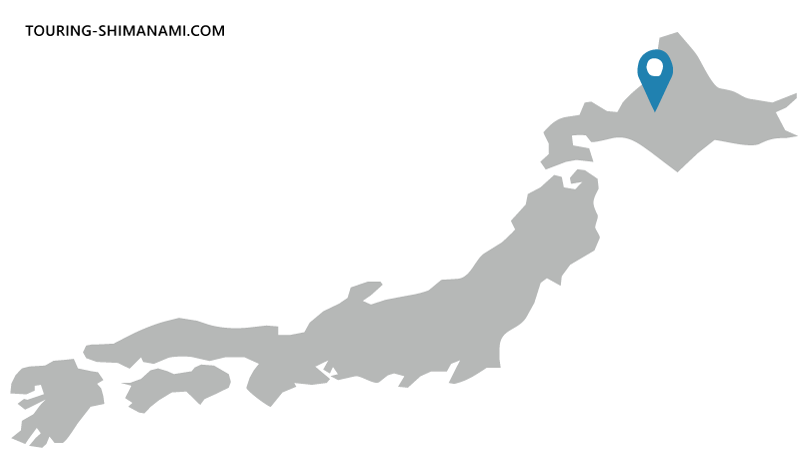
Biei–Furano Area Cycling ReviewsThe rolling hills and changing scenery kept the ride interesting from start to finish.
Cycling through wide fields with the wind was a true Hokkaido experience.
I rented an e-bike, so the hills were no problem at all.
Actual riding: August 2020
Biei and Furano are among the most popular destinations in Hokkaido, and they are surprisingly well suited for exploring by bicycle. Rolling hills stretch gently into the distance, and layers of farmland and flower fields overlap to create scenery that feels like riding through a painting. A journey linking Biei, known as the “town of hills,” and Furano, famous for its lavender fields, can truly be described as one of Japan’s most photogenic sightseeing cycling experiences. The landscape has a distinctly European feel, which is one reason this area is especially popular with travelers from Asia.
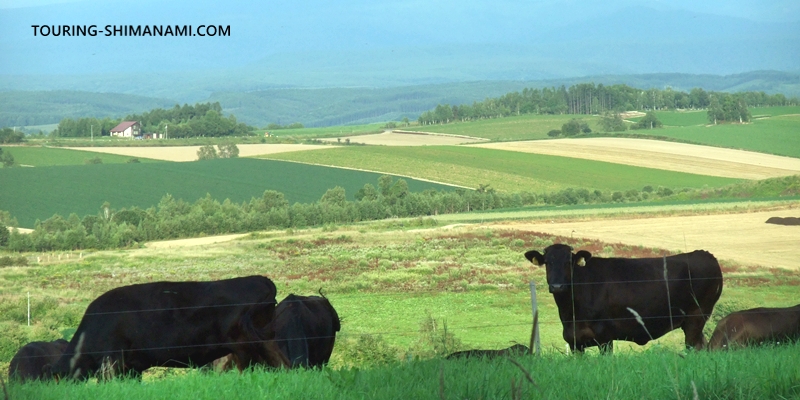
The greatest appeal of this area is how the scenery changes completely every time you crest a hill. Along routes such as Biei’s “Patchwork Road” and “Panorama Road,” fields of wheat, potatoes, and sugar beets spread out in colorful patterns, forming beautiful designs across the gentle slopes. With few buildings to block the view, you can feel both the vastness of the sky and the scale of the land at the same time. One breathtaking viewpoint follows another, often making you stop pedaling just to take it all in.
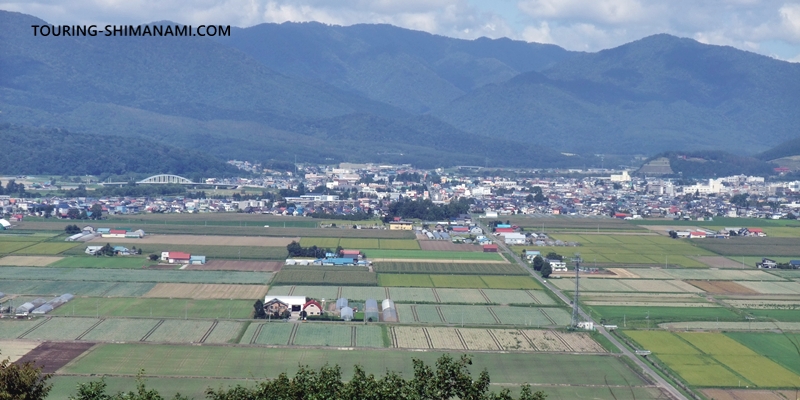
As you continue toward Furano, the scenery takes on yet another character. Depending on the season, vast lavender fields and colorful flower gardens come into view, and from early summer through midsummer you can enjoy riding surrounded by vivid colors and gentle fragrances. Although this is a well-known tourist area, simply turning onto a side road by bicycle quickly leads you away from the crowds, allowing you to savor the quiet hill country almost entirely to yourself. This sense of freedom and space is one of the special pleasures of cycling in Biei and Furano.
Please note: In Biei, there has been an ongoing problem with visitors entering fields and pastures (which are private property) in order to take photos. Please show respect for the local community and always follow the rules and proper manners.
![[Photo] Cycling routes in Japan: Landscapes of hay rolls, the smell of farmland](https://touring-shimanami.com/wp-content/uploads/2026/01/hokkaido-routes-1.jpg)
The rental cycling environment is also well developed. Around JR Biei Station and Nakafurano Station, several rental services cater to visitors, making it easy for travelers to start cycling right after arriving by train. Biei Station in particular has a wide range of options, from standard cross bikes to electric-assist bicycles, allowing you to choose based on your fitness level and travel style. I saw many international travelers enjoying the area by rental bike, appreciating the convenience of train access combined with cycling.
![[Illustration] Cycling routes in Japan: Examples of cycling routes in Biei and Furano](https://touring-shimanami.com/wp-content/uploads/2026/01/furanoroute-e.png)
In this area, I strongly recommend renting an electric-assist bicycle. Especially around Biei, the hills are steeper and more frequent than they first appear, and without assistance you may find yourself focusing only on the climb rather than the scenery. With electric assist, however, you can glide over the hills surprisingly easily and fully enjoy the surrounding landscape. The network of roads spreads out like a web, making it easy to adjust your distance on the fly, which is another big advantage for sightseeing cycling.
| Sightseeing Cycling | Biei–Furano Area |
|---|---|
| Example start point | JR Biei Station |
| Example finish point | JR Nakafurano Station (or a loop back to Biei Station) |
| Estimated distance | Approx. 30–40 km (varies by route) |
| Estimated riding time | 3–5 hours |
- Bibai Cycling Courses
A network of routes ranging from beginner to advanced levels, officially set by Bibai City. - Memuro Town (Tokapuchi 400 Route area)
One of the most cycling-friendly areas along the Tokapuchi 400, actively promoting cycle tourism.
③ Matsue – Lake Shinji – Izumo
Lakes, coastlines, and historic towns in one relaxed route
Matsue–Izumo Cycling ReviewsCycling along Lake Shinji in the evening was unforgettable, especially the sunset.
Combining cycling with train travel made the route very manageable.
With shrines, castles, and historic towns, it’s perfect for both sightseeing and cycling.
Actual riding: September 2025
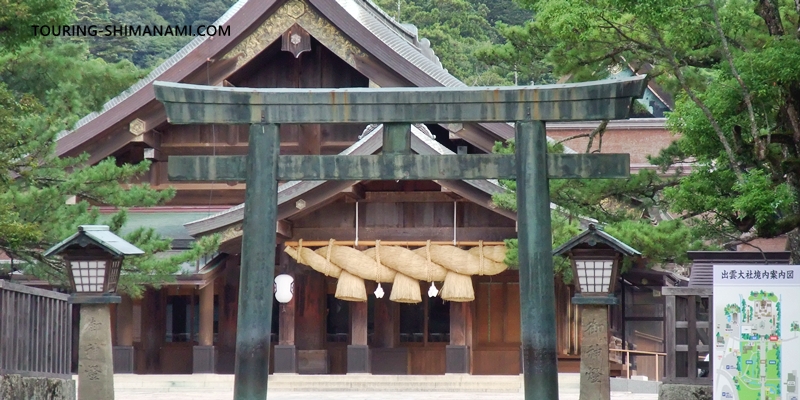
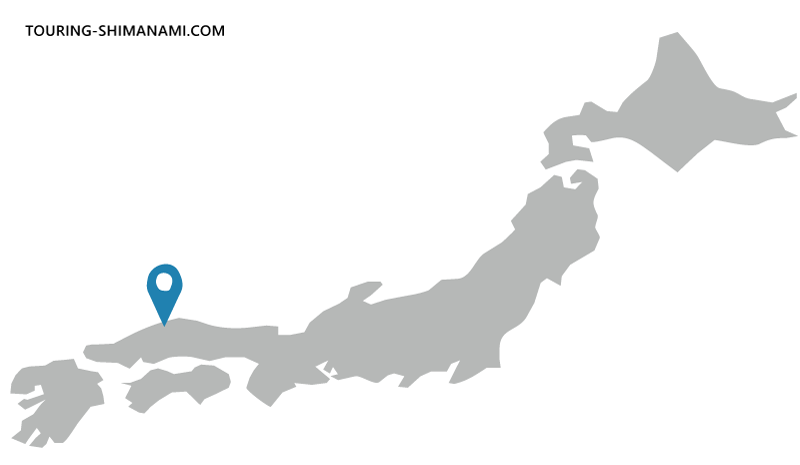
Next, we jump across Japan to Shimane Prefecture. This route takes you through a quiet lakeside landscape while tracing the setting of Japanese mythology. The Enmusubi Kaido Izumoji Cycling Road runs from Izumo Taisha toward Matsue and is a sightseeing cycling route where you can slowly enjoy both history and nature. The worldview of the gods, which lies deep in the subconscious of many Japanese people, remains strongly present in this region. I actually rode this route myself and felt a deep sense of satisfaction as a sightseeing cyclist, as it allowed me to experience the authentic side of Japan and everyday local life.
![[Photo] Japan's cycling routes: Ichibata Railway is a great choice for cycling](https://touring-shimanami.com/wp-content/uploads/2026/01/japancycling10-1.jpg)
The route is mostly flat, so the physical effort required is relatively low. One of the biggest highlights of cycling in this area is the Ichibata Electric Railway, a local private railway that runs along Lake Shinji and allows bicycles on board during designated times. This makes it easy to shorten your ride and adjust both distance and time flexibly. While this kind of service is fairly common on trains in Europe, being able to bring your bicycle directly onto a train is still quite rare in Japan.
Note: Some sections of the road along Lake Shinji have very narrow shoulders. Please take extra care when riding on roads that are not dedicated cycling paths. For these sections, I also recommend using the Ichibata Railway to skip ahead safely.
![[Photo] Japan's cycling routes: Enjoy sightseeing around Matsue Castle](https://touring-shimanami.com/wp-content/uploads/2026/01/matsuecastle.jpg)
The castle town area centered around Matsue Castle is easy to explore on foot or by bicycle, with a calm and unhurried atmosphere. From Matsue Castle—one of the few remaining original castles in Japan—you can enjoy wide views over Lake Shinji and the city, and really feel the weight of history. Nearby, the Yakumo Koizumi Memorial Museum offers insight into the life of Lafcadio Hearn, a writer who lived in Matsue, helping you better understand the character and spirit of the town. If you prefer exploring without a bicycle, the moat cruise is a great option. The Horikawa sightseeing boat takes you around the area surrounding Matsue Castle, allowing you to see the castle town from the water. It is a well-known local experience, and the scenery changes beautifully with the seasons. With a one-day pass, you can hop on and off as many times as you like, at any boarding point.
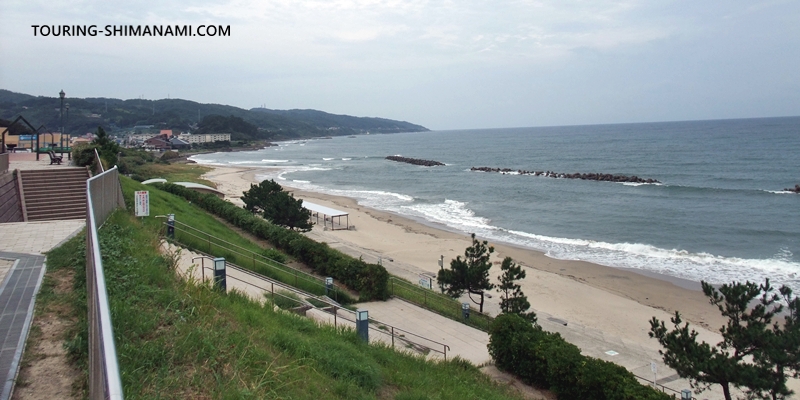
Not only around Izumo Taisha and Inasa no Hama, but throughout the surrounding area, you will find many historical sites connected to Japanese mythology, including stories of the transfer of the land to the gods. Cycling here often feels as if you are moving through a living story. When you reach the northern shore of Lake Shinji, the scenery changes dramatically. The surface of Japan’s seventh-largest lake fills your entire field of view, and in the late afternoon the colors of the sky reflected on the water shift moment by moment. The sense of travel and atmosphere in this area is truly exceptional.
![[Illustration] Cycling Routes in Japan: Cycling around the Izumoji Bicycle Path](https://touring-shimanami.com/wp-content/uploads/2026/01/shinjiko-route-e.png)
In addition to cycling around Lake Shinji and the Izumo area, you can also enjoy much wider rides toward the Tottori Prefecture side, including Sakaiminato, Yonago and even the area around the Kaike Onsen. Rental bicycle options are well developed, and I was able to find rentals not only at tourist information centers near Izumo Taisha, but also around Matsue Station and Shinji-ko Onsen Station. For those who want to ride more seriously, renting a sports bike or an e-bike from Giant Store Matsue is also a great option.
| Sightseeing Cycling | Izumoji Cycling Road, etc. |
|---|---|
| Example starting point | Matsue Shinji-ko Onsen Station |
| Example finishing point | Izumo Taisha-mae |
| Approximate distance | About 40 km (shortcuts possible via the Ichibata Railway) |
| Estimated riding time | 3–5 hours |
- Iwami Ginzan Silver Mine
A historic townscape ideal for exploring by rental bike. - Yonago – Sakaiminato Route
A flat, enjoyable ride connecting sightseeing spots around Lake Nakaumi.
AD (Google AdSense)
④ Tsukuba Rinrin Road
Flat, traffic-free cycling on a converted railway path
Tsukuba Rinrin Road ReviewsAlmost no car traffic, so I felt very safe riding here.
The straight, simple route is great for steady, relaxed cycling.
The full distance is long, so turning back midway is a smart option.
Actual riding: December 2019
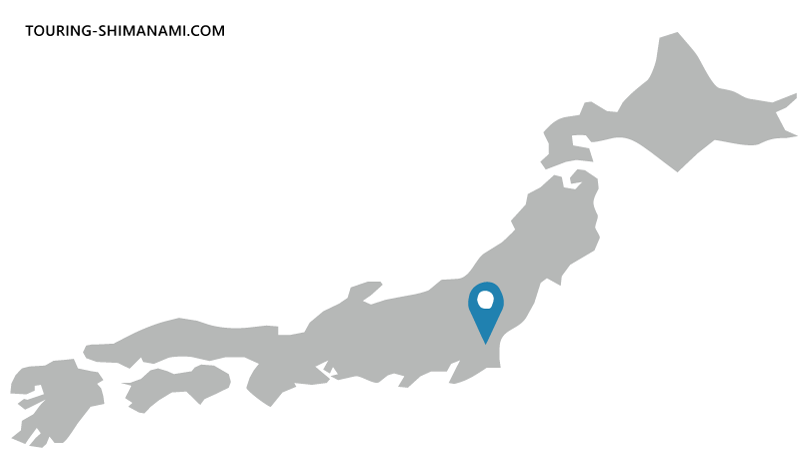
If you are looking for a sightseeing cycling route near Tokyo, one of the first names that comes up is the Tsukuba–Kasumigaura Rinrin Road. Spreading across southern Ibaraki Prefecture, this route combines a cycling path built on the former Tsukuba Railway line with lakeside roads around Kasumigaura, Japan’s second-largest lake. With a total length of about 160–180 km, it allows you to truly feel the vast openness of the Kanto Plain as you ride. It has also been selected as a National Cycle Route by Japan’s Ministry of Land, Infrastructure, Transport and Tourism.
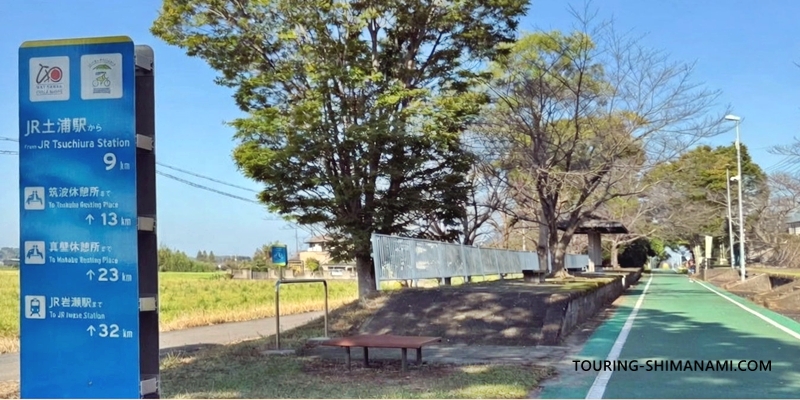
The biggest appeal of this route is, without a doubt, how easy it is to ride. In particular, the roughly 40 km section of the Tsukuba Rinrin Road that follows the old Tsukuba Railway line has almost no elevation changes, as it was originally built for trains. There are no steep climbs, curves are gentle, and traffic signals and car crossings are kept to a minimum. For those attempting a longer ride for the first time, being able to “keep pedaling at a steady pace without stopping” is a uniquely enjoyable experience that dedicated cycling paths offer.
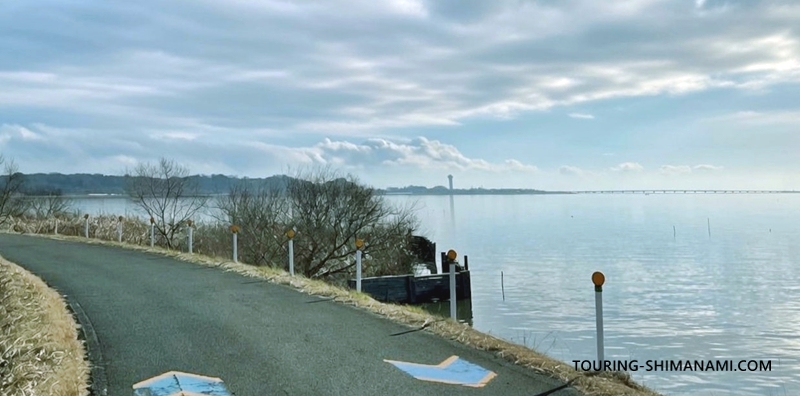
Along the Kasumigaura section, the view suddenly opens up. The vast sky stretching beyond the lake surface, a horizon that seems to go on forever, and waterside scenery that changes its mood depending on the time of day. It is a “quiet and expansive landscape” quite different from mountains or the sea. Spending time calmly turning the pedals at your own pace, with Mount Tsukuba visible in the distance, really gives you the feeling of being on a cycling journey. If you have enough time and energy, I highly recommend extending your ride toward the Kasumigaura area as well.
![[Illustration] Cycling Routes in Japan: Example of Tsukuba Kasumigaura Ring Ring Road Route](https://touring-shimanami.com/wp-content/uploads/2026/01/tsukubarinrin-e.png)
Two especially convenient bases are Rinrin Square Tsuchiura and Rinrin Port Tsuchiura, both directly connected to JR Tsuchiura Station. In addition to bicycle rentals, these facilities are well equipped with changing rooms, showers, and lockers, making it easy to arrive by train and start cycling right away without any hassle. Along the route, you will also find cafés, Michi-no-Eki Tamatsukuri, and various rest spots scattered at regular intervals.
| Cycling Route | Tsukuba Rinrin Road (former railway line) | Around Lake Kasumigaura |
|---|---|---|
| Example start point | JR Tsuchiura Station or Rinrin Port Tsuchiura | JR Tsuchiura Station |
| Example finish point | JR Iwase Station | JR Tsuchiura Station |
| Approx. distance | About 40 km | About 90 km or about 125 km |
| Estimated riding time | 4–5 hours | Varies greatly by rider… |
⑤ Lake Biwa
Peaceful lakeside cycling through local towns and nature
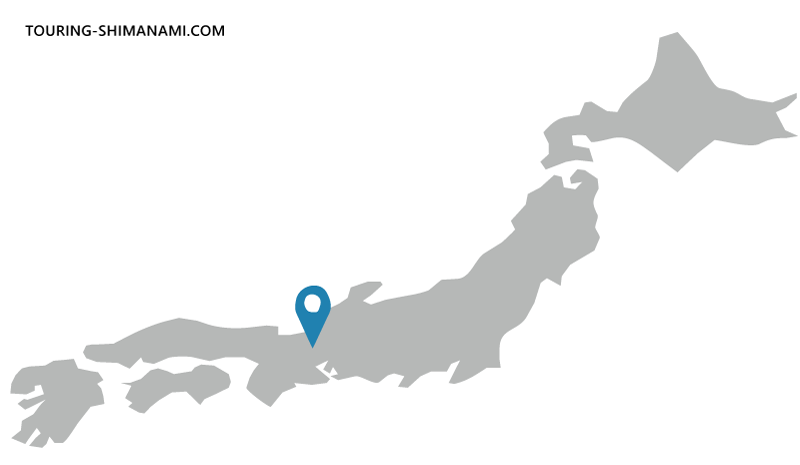
Lake Biwa East & North Area Cycling ReviewsThe lakeside roads were calm and extremely comfortable to ride.
Train access makes it easy to shorten the route based on your energy.
Riding only the northern part is ideal for casual sightseeing cyclists.
Actual riding: August 2018
“Biwaichi,” cycling around Lake Biwa—the largest lake in Japan—is one of the most well-known cycling routes in the country. While it is famous as a full loop around the lake, what I especially recommend for beginners is a more relaxed ride focusing on the eastern shore and the northern area.
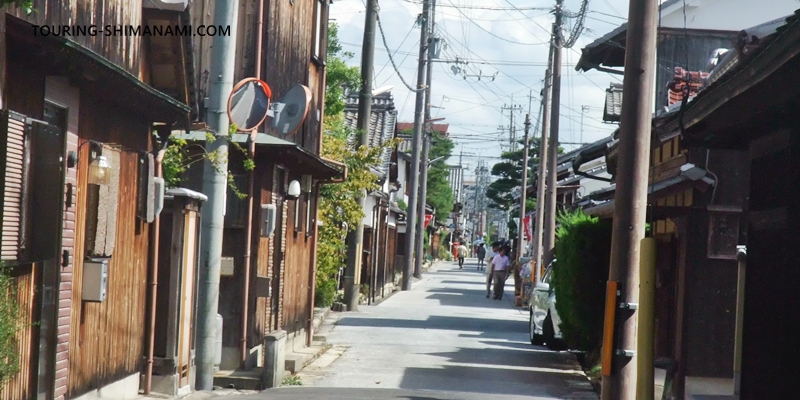
This part of the lake offers long stretches of lakeside roads where you can fully appreciate the sheer scale of Lake Biwa and its calm waters. I particularly liked the vast rural landscape surrounding the Notogawa Waterwheel, and the water town atmosphere. I also enjoyed stopping to explore towns such as Omihachiman and Nagahama, as well as visiting Hikone Castle along the way.
![[Photo] Japan's cycling routes: There are some nice, quiet spots along the shores of Lake Biwa](https://touring-shimanami.com/wp-content/uploads/2026/01/lake-biwa.jpg)
One reassuring aspect of Biwaichi is how well the cycling environment has been developed. Clear road markings are painted along the lakeside roads, making it easy to follow the route even for first-time visitors. There are also many support stations along the way, offering toilets, rest areas, and even bicycle pumps. These facilities provide strong support for lakeside cycling, which can easily turn into a long-distance ride.
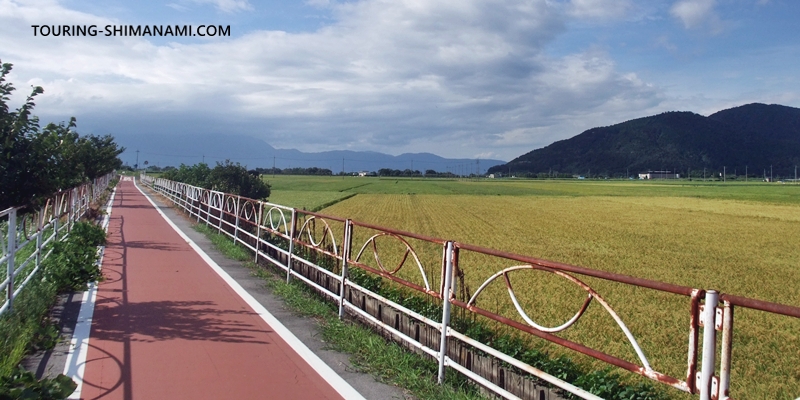
There are also plenty of rental bike options. Around Maibara Station and Otsu Station, you can find rental shops offering sports bikes. Being able to arrive by train and start cycling right away is a major advantage for travelers focused on sightseeing. In addition, by using the Omi Railway’s “cycle train” service, you can bring your bicycle onto the train as it is, allowing you to adjust your riding distance and enjoy the route at a comfortable pace.
![[Illustration] Cycling Routes in Japan: Examples of Cycling Routes in the East Area of Lake Biwa](https://touring-shimanami.com/wp-content/uploads/2026/01/biwakoroute-e.png)
Biwaichi is often associated with the impressive figure of a 200 km loop, but there is no need to ride the entire distance. By focusing on selected sections—especially around the eastern and northern parts of the lake—and adjusting the route to suit your fitness level and schedule, I think even beginners can fully enjoy this as a sightseeing cycling experience while still feeling the grandeur of Japan’s largest lake.
| Cycling route | Eastern–Northern Lake Biwa area | Full Lake Biwa loop |
|---|---|---|
| Example starting point | JR Maibara Station | Giant Store Biwako Moriyama |
| Example finish point | JR Omihachiman Station | Giant Store Biwako Moriyama |
| Approximate distance | About 30–40 km | About 200 km (North Lake ~160 km, South Lake ~40 km) |
| Estimated riding time | 3–5 hours | Varies greatly by rider |
- Lake Yogo Loop Route
A peaceful loop around a small lake north of Lake Biwa. - Temple Cycling Around Lake Biwa
A collection of beautiful temples, far less crowded than Kyoto.
⑥ Okhotsk Cycling Road
Endless lake views along a quiet northern coastline
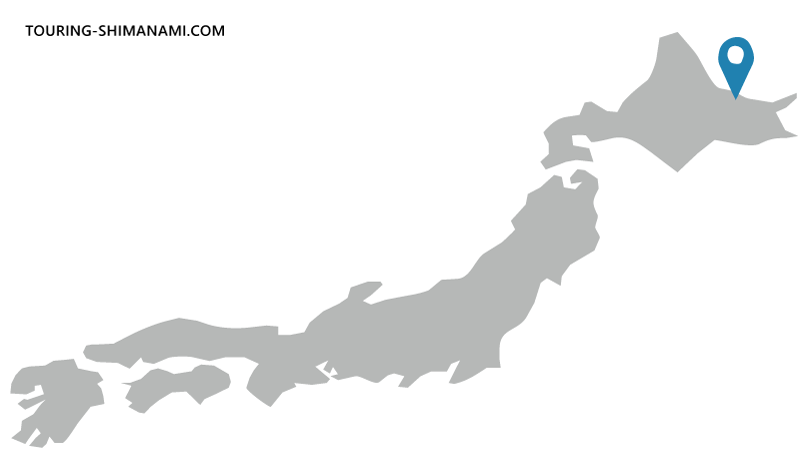
Okhotsk Cycling Road ReviewsEnjoying both the sea and lakes on one route felt very special.
The flat terrain made it easy to ride at a relaxed pace.
The scenery changes with the seasons, so I’d love to come back again.
Actual riding: August 2020
Among Hokkaido’s cycling routes, this one is located in a truly remote area, but the route that left a strong impression on me is the Okhotsk Cycling Road, officially known as the Abashiri–Tokoro Bicycle Path.
![[Photo] Japan's cycling route: Signs and cycling roads on the Abashiri Tokoro bicycle path](https://touring-shimanami.com/wp-content/uploads/2026/01/hokkaido-routes-2.jpg)
Built on the former JR Yumō Line railway corridor, this dedicated cycling path stretches for about 40 km from Abashiri City to Tokoro Town in Kitami. Because it follows the old railway alignment, the gradients are surprisingly gentle. Even over a long distance, you can maintain a steady pace and ride smoothly without major changes in effort—this is one of its greatest features.
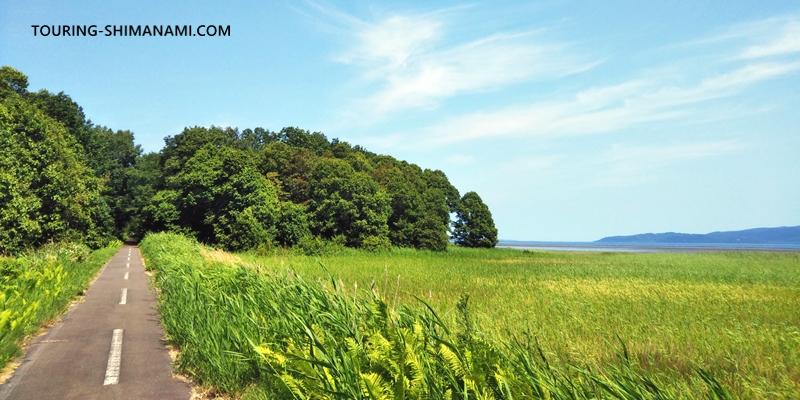
The biggest appeal of this route is the chance to enjoy scenery that is uniquely Okhotsk—sandwiched between lakes and the sea—without worrying about traffic. Along the way, you ride beside Lake Saroma and Lake Notoro, where the color and mood of the water change constantly with the seasons. In autumn, Lake Notoro is said to turn vivid red with coral grass, creating a truly dreamlike landscape. Riding through such quiet surroundings, with no engine noise—only the wind and the sound of your tires—feels like a special luxury that only abandoned-railway cycling routes can offer.
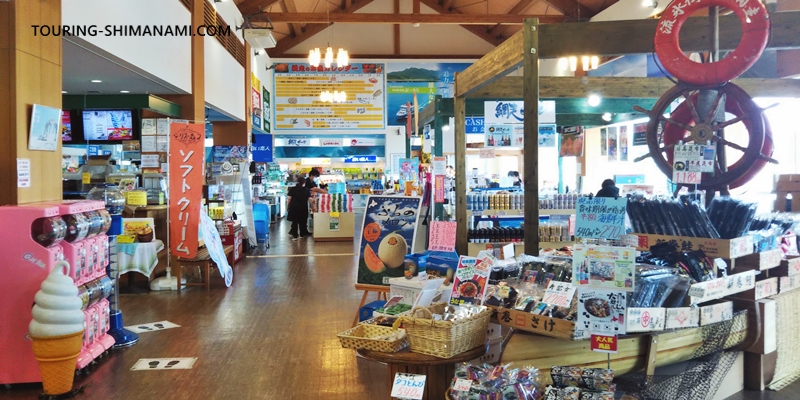
Rental bicycles are available at places such as the “Roadside Station Ryuhyo Kaido Abashiri” and other locations around Tokoro Town, with both sports bikes and electric-assist bicycles on offer. The nearest airport is Memanbetsu Airport, making it easy to reach the area by plane, then continue by train or bus and rent a bike locally. That said, the winters here are extremely cold, so this is best considered a summer-only cycling activity.
![[Illustration] Japan's Cycling Routes: Route map image of the Okhotsk Cycling Road](https://touring-shimanami.com/wp-content/uploads/2026/01/abasiriroute-e.png)
There were a few points where the route crossed or passed over major roads, but overall it was well signposted and easy to follow. Even first-time visitors are unlikely to get lost, and you can enjoy the surrounding nature at your own pace. Slightly off the main route, it’s also possible to detour to sightseeing spots such as the Abashiri Prison Museum or the local history museum. This cycling road is still relatively unknown, even within Hokkaido.
| Cycling Route | Okhotsk Area Leisure Cycling | Abashiri–Tokoro Bicycle Path |
|---|---|---|
| Example start point | Roadside Station Ryuhyo Kaido Abashiri | Omagari Park, Abashiri City |
| Example finish point | Roadside Station Ryuhyo Kaido Abashiri | Lake Saroma |
| Approx. distance | Approx. 30–40 km | Approx. 40 km (one way) |
| Estimated riding time | 3–5 hours | 4–5 hours |
- Memanbetsu & Ozora Town
Rolling hills and open landscapes, often compared to Biei. - Lake Tofutsu & Wildflower Park Route
A spectacular ride between Abashiri Station and Hamakoshimizu Station.
AD (Google AdSense)
⑦ Kibiji Cycling Road
Easy cycling past rice fields and ancient historical sites
Kibi Plain Cycling Route ReviewsCycling past ancient tombs and pagodas made the ride unique and memorable.
The route is mostly flat, even suitable for casual city bikes.
Easy bike rental near the station made it very accessible.
Actual riding: July 2022
Next is a lesser-known cycling route in Okayama Prefecture. The Kibiji Cycling Road runs for just over 20 km one way between Soja City and Okayama City. It has been selected as one of the “100 Best Roads of Japan” and is well known as a highly polished route that combines excellent rideability with beautiful scenery. With JR stations that work well as starting and ending points, it’s a great fit for beginner-friendly sightseeing cycling.
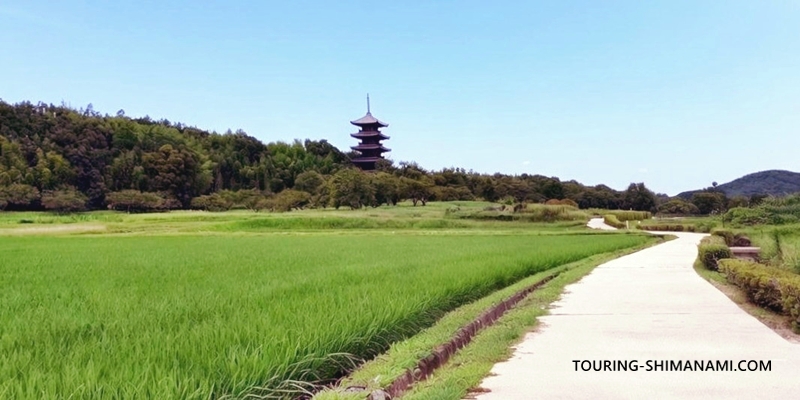
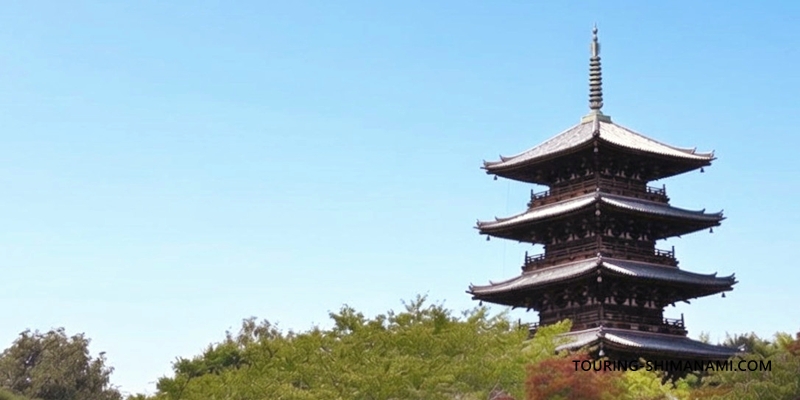
The main attraction of this route is not speed, but scenery and history. Along the way, you’ll encounter many historic sites from ancient Kibiji, including the five-story pagoda of Bicchu Kokubun-ji Temple, as well as Komorizuka Tumulus and Tsukuriyama Tumulus. The composition—historic structures appearing one by one amid wide-open rural landscapes—creates a comfortable sense of distance that feels just right on a bicycle. Because almost the entire route is developed as a dedicated bicycle and pedestrian path, you can ride safely without worrying about traffic, which is another major appeal.
Rental bicycles are available near Soja Station and Bizen-Ichinomiya Station, and some locations even allow one-way returns. In addition to sports bikes, there are many so-called “mamachari” city bikes, which feels very much in the spirit of Kibiji—you don’t need to worry too much about clothing or special gear.
![[Illustration] Cycling Routes in Japan: Example of a cycling route on the Kibiji Bicycle Path](https://touring-shimanami.com/wp-content/uploads/2026/01/kibijiroute-e.png)
Because the route is mostly flat, I felt it was ideal for riders who aren’t confident in their fitness, as well as for first-time sightseeing cyclists. There’s no need to rush—just stop wherever you like and take in the peaceful scenery and history. It’s a cycling route that perfectly fits the word “pottering,” offering a calm and gentle way to enjoy your time on the bike.
| Cycling Road | Kibiji Cycling Road |
|---|---|
| Example start point | JR Oakayama Station |
| Example end point | JR Soja Station |
| Approximate distance | About 21 km |
| Estimated riding time | 2–3 hours |
- Kattetsu Roman Kaido
A 34 km cycling route converted from a former railway line. - Hiruzen Highlands Cycling Road
A roughly 30 km loop through the cool highland scenery of northern Okayama.
⑧ Iwaki Nanahama Kaido
Smooth coastal riding with wide Pacific Ocean views
Iwaki Nanahama Kaido ReviewsThe coastal sections offered wide-open views and a refreshing ride.
The blue route markings made navigation simple and stress-free.
Although the distance is long, towns along the way make breaks easy.
Actual riding: October 2024
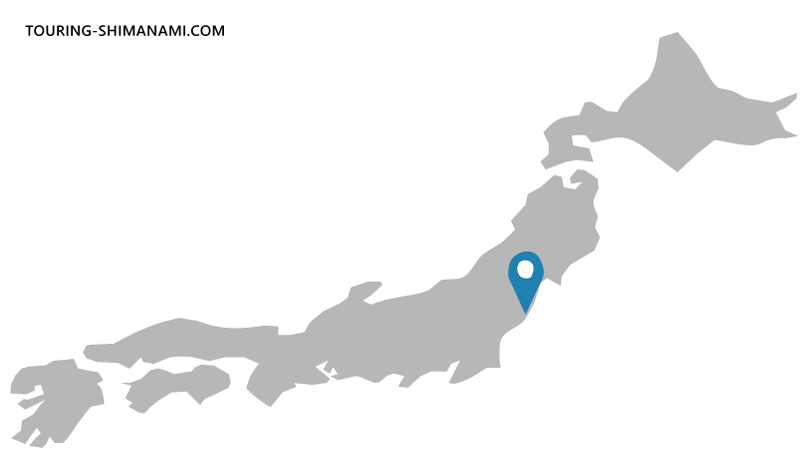
Riding straight ahead with the Pacific Ocean breeze blowing right into your face. The Iwaki Nanahama Kaido is a roughly 53 km coastal cycling route that links sections built on top of seawalls and local coastal roads developed after the 2011 earthquake and tsunami. It connects the “seven beaches” scattered across Iwaki City, and has been gaining attention as a memorable seaside route that combines smooth riding conditions with a great sense of openness.
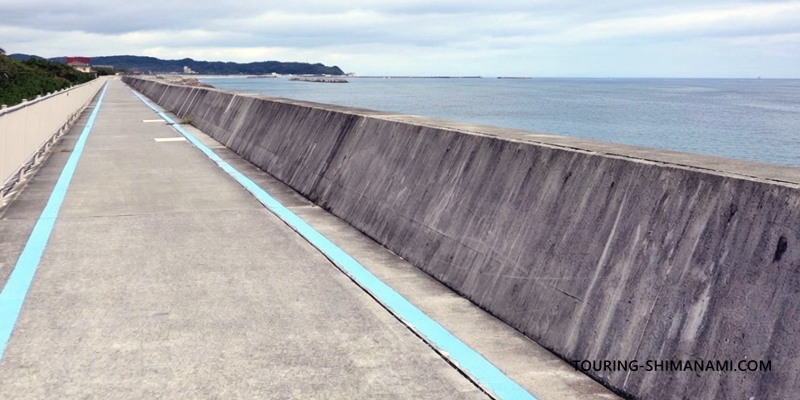
The biggest attraction of this route is the almost completely unobstructed view. Many sections run along the top of seawalls, with the Pacific Ocean’s horizon constantly spread out in front of you. Chasing the boundary line between the blue sea and sky feels incredibly refreshing, and your legs naturally keep turning. Along the way, there are plenty of places to stop, including Shioyasaki Lighthouse overlooking the ocean and the roadside station “Iwaki La La Mew,” where you can enjoy fresh seafood.
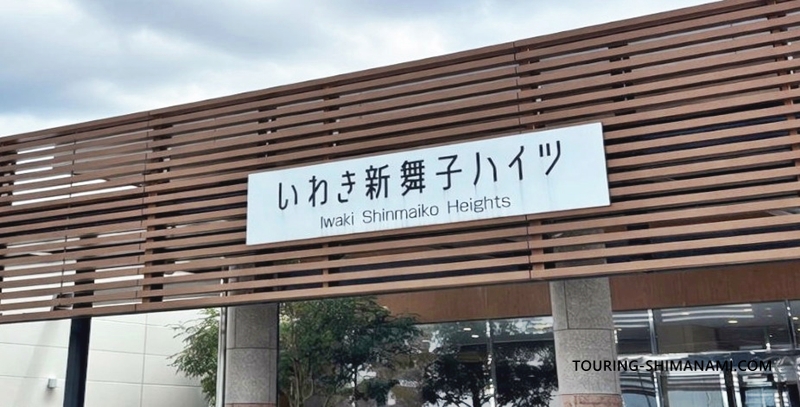
When I visited, I confirmed that rental bicycles were mainly available at two locations: the “Shinmaiko Cycle Station” inside Iwaki Shinmaiko Heights, and “Hayate Cycle” in Yotsukura, Iwaki City. They offered a variety of bikes, including road bikes and electric-assist bicycles (e-bikes). The Iwaki Nanahama Kaido really felt like a place where cycle tourism is still evolving, so I recommend checking the latest information before you go.
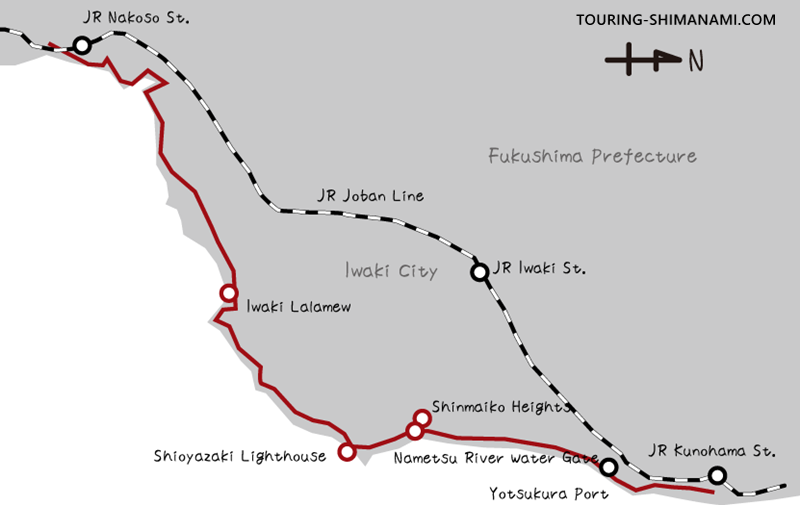
Overall, the route is mostly flat and the road surface is in excellent condition. Clear guidance using blue painted lines is also in place, so I felt there was very little risk of getting lost even for first-time visitors. While the total distance is fairly long, many sections run close to urban areas, making it easy to take breaks or adjust your riding distance. It’s a generous, open-ended cycling route where you can truly face the vast Pacific Ocean.
| Cycling route | Iwaki Nanahama Kaido |
|---|---|
| Example starting point | Iwaki Shinmaiko Heights |
| Example finishing point | Iwaki Shinmaiko Heights |
| Approximate distance | About 53 km |
| Estimated riding time | 5–6 hours |
⑨ Yabakei Cycling Road
Ride old railway tunnels through scenic river valleys
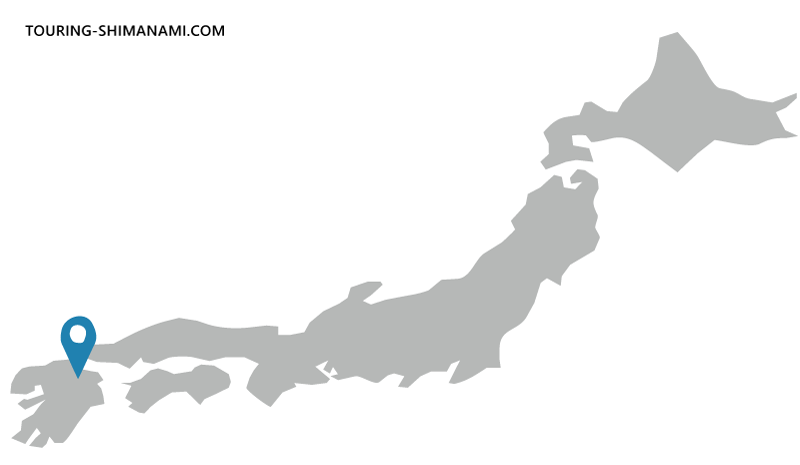
Yabakei Cycling Road ReviewsEach tunnel opened to a new view, making the ride feel adventurous.
It can get crowded during autumn leaves season, but it’s worth it.
The gentle slopes of the former railway make it beginner-friendly.
Actual riding: December 2023
Next is Oita in Kyushu. The area around the Yabakei Cycling Terminal is a cycling destination that has been gaining popularity, centered on the Maple Yabakei Cycling Road, which makes use of the former Yabakei Railway line. Tracing railway heritage by bicycle has a special charm that really suits sightseeing cycling. Located in northern Kyushu, the area is also easy to access from Fukuoka.
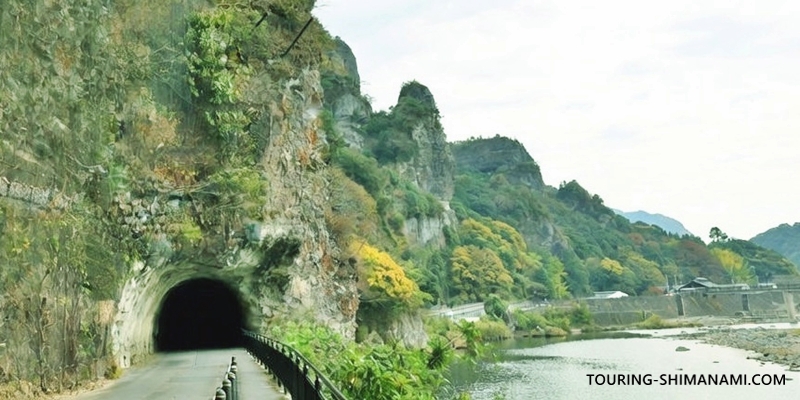
The biggest highlight of this route is that you can ride straight through tunnels and over bridges that were originally built for trains. Emerging from a dimly lit tunnel to suddenly find yourself surrounded by dramatic gorge scenery is unforgettable, and each ride feels like a small adventure. Yabakei is also well known as a famous autumn foliage spot, and in fall the trees along the gorge turn brilliant colors, transforming the scenery along the cycling road (though it does get quite crowded). From spring through summer, the season of fresh greenery offers another kind of pleasure, with cool, refreshing air as you ride.
![[Illustration] Cycling Routes in Japan: Route Map of the Maple Yabakei Cycling Road](https://touring-shimanami.com/wp-content/uploads/2026/01/yabakeiroute-e.png)
Rental bicycles are available at the Yabakei Cycling Terminal, which serves as the main hub. With options such as cross bikes and electric-assist bicycles, it’s easy to choose a bike that matches your fitness level and riding goals. Because the route follows a former railway line, the gradients are extremely gentle overall. There are very few steep climbs, and I felt it was a highly recommended route that families and beginners can enjoy without strain.
| Cycling Route | Maple Yabakei Cycling Road |
|---|---|
| Example Starting Point | Yabakei Cycling Terminal or JR Nakatsu Station |
| Example Finish Point | Morizane, Yamakuni Town |
| Approximate Distance | About 35 km (starting from Nakatsu Station) |
| Estimated Riding Time | 4–5 hours |
- Aso Caldera
One of Japan’s leading cycling destinations with vast volcanic landscapes. - Beppu to Oita Bay Route
A coastal ride passing popular attractions such as Umitamago Aquarium and Mount Takasaki.
AD (Google AdSense)
⑩ Wakasa & Mikata Five Lakes
Cycle between calm lakes and the open Sea of Japan
![[Illustration] Japanese Cycling Route: Wakasa Bay Cycling Route](https://touring-shimanami.com/wp-content/uploads/2026/01/point7.png)
Wakasa Bay Cycling Route ReviewsEnjoying both lakes and the sea in one ride felt luxurious.
The calm water of the Mikata Five Lakes was especially relaxing.
You can enjoy the route fully in half a day, which fits well into travel plans.
Actual riding: September 2015
![[Photo] Cycling Routes in Japan: Mikata Five Lakes is my favorite among the Japanese lake courses](https://touring-shimanami.com/wp-content/uploads/2026/01/japancycling10-3.jpg)
This time, let’s head to the Sea of Japan side. The greatest appeal of the Wakasa Bay Cycling Route is the chance to enjoy two completely different landscapes—lakes and the sea—in a single ride. Among them, the route commonly known as “Gokoichi,” which loops around the Mikata Five Lakes, is especially famous for sightseeing cycling. The mirror-like reflections on the lake surfaces left a strong impression on me. With the extension of the Hokuriku Shinkansen in 2024, access to this area has improved dramatically, making it much easier to visit.
![[Photo] Japanese Cycling Route: The Mikata Five Lakes were beautifully reflective like mirrors](https://touring-shimanami.com/wp-content/uploads/2026/01/japancycling-10.jpg)
The Mikata Five Lakes are a chain of five lakes, each with slightly different water quality and colors, allowing you to enjoy subtle changes in scenery as you ride. The lakeside roads are quiet and calm, and cycling while feeling the breeze over the water is a very peaceful experience. On the other hand, by going just a bit farther, you can reach sections along the Sea of Japan, where rugged coastlines and wide horizons come into view. Few routes offer such a wide variety of scenery within such a compact distance.
![[Illustration] Cycling Routes in Japan: Examples of Cycling Routes around the Mikata Five Lakes](https://touring-shimanami.com/wp-content/uploads/2026/01/wakasaroute-e.png)
Rental bicycles are available around Mikata Station and Mihama Station, making it easy to set up a convenient starting point for sightseeing. Even without special gear, you can casually drop by and start riding. A full loop around the Mikata Five Lakes is roughly 30 km, with relatively gentle elevation changes. It’s a comfortable volume that can be enjoyed in half a day, and feels very manageable even for beginners or those getting back into cycling after a break.
| Cycling Route | Wakasa Bay & Mikata Five Lakes |
|---|---|
| Example Starting Point | JR Mikata Station |
| Example Finish Point | JR Mikata Station |
| Approximate Distance | About 30 km |
| Estimated Riding Time | 3–4 hours |
- Tsuruga City Cycling
Easy city cycling to Kehi no Matsubara, Kehi Shrine, the Red Brick Warehouses, and the fish market. - Obama City Cycling
A relaxed ride through the historic Obama Nishigumi district and the Saba Kaido Museum.
⑪ Azumino & Matsumoto
Flat cycling with stunning Japanese Alps mountain views
![[Illustration] Japanese Cycling Route: Azumino Yamabiko Cycling Road](https://touring-shimanami.com/wp-content/uploads/2026/01/point5.png)
Azumino Yamabiko Cycling Road ReviewsCycling with the Northern Alps in view alone makes this route special.
The flat and well-marked paths are perfect for relaxed riding.
Combining it with sightseeing in Matsumoto made for a full, enjoyable day.
Actual riding: April 2017
![[Photo] Japan Cycling Route: The Azumino Trip Started in Matsumoto](https://touring-shimanami.com/wp-content/uploads/2026/01/matsumotocas.jpg)
Nagano Prefecture is also a region where cycle tourism is very active. The route I recommend here combines the Azumino Yamabiko Cycling Road with a leisurely sightseeing ride around Azumino and Matsumoto City.
![[Photo] Japanese Cycling Route: This Nagano-like scenery continued the entire way](https://touring-shimanami.com/wp-content/uploads/2026/01/azumino.jpg)
It really captures the essence of Nagano. You can enjoy a relaxed ride at the foothills of the Northern Alps. The greatest attraction is the constant presence of the Northern Alps in your field of view as you ride. Especially from spring to early summer, the contrast between the snow-capped mountains and the fresh green countryside is stunning, and I found myself stopping again and again to look back.
![[Photo] Japan's Cycling Routes: Azumino is famous for its wasabi](https://touring-shimanami.com/wp-content/uploads/2026/01/azuminowasabida-1.jpg)
Once you enter the Azumino area, you’ll find wasabi fields, waterwheels, and clear spring water scattered throughout the landscape, creating scenery that feels like the original image of rural Japan. There are also convenient places to stop by, such as the roadside station Alps Azumino Horigane-no-Sato. If you extend your ride a little, you’ll find many sightseeing spots beyond cycling itself, including Matsumoto Castle (a National Treasure), the Daio Wasabi Farm, and several museums.
![[Illustration] Cycling Routes in Japan: Route of the Azumino Yamabiko Bicycle Path](https://touring-shimanami.com/wp-content/uploads/2026/01/azuminoroute-e.png)
There are plenty of rental bicycle options around Matsumoto Station and in front of Hotaka Station, and shared bike services are also available. This makes it easy to build a flexible itinerary that suits your travel plans. Nagano often brings to mind steep mountain terrain, but pottering around Azumino with Hotaka Station as a base is almost completely flat, with easy-to-follow roads, making it safe and comfortable for beginners and families. The Azumino Yamabiko Cycling Road that I rode myself (about 17.5 km) had hardly any hills, and I was able to enjoy the scenery while riding comfortably the entire way.
| Cycling Route | Matsumoto to Azumino | Azumino Yamabiko Cycling Road |
|---|---|---|
| Example Starting Point | JR Matsumoto Station | Near the confluence of the Hotaka River and Karasugawa River |
| Example Finish Point | JR Hotaka Station | Around Hirase Bridge |
| Approximate Distance | About 25–30 km (including sightseeing) | About 17.5 km |
| Estimated Riding Time | 3–4 hours | About 2 hours |
- Lake Suwa Cycling Course
A flat loop with easy access to shrines, museums, and historic bathhouses. - Chikuma River Cycling Road
A smooth riverside route along one of Japan’s longest rivers.
AD (Google AdSense)
Cycling routes beyond the top 11
This time, I introduced 11 routes that I especially recommend for sightseeing cycling, based on my own experiences cycling across different parts of Japan. That said, just because a route wasn’t included here doesn’t mean it’s any less appealing. Japan is still full of wonderful cycling roads and areas where riding a bike truly enhances the experience.
![[Photo] Japanese Cycling Route: It’s far away, but the cycling road on Rishiri Island is also great](https://touring-shimanami.com/wp-content/uploads/2026/01/risiri.jpg)
For example, the Awaji Island loop, known as “Awa-ichi,” is now a classic route recognized nationwide. It is long, but the coastal scenery and the open feeling unique to an island make it special, and by choosing specific sections, it works very well for sightseeing cycling. Another familiar route for cyclists living in the Tokyo area is the Arakawa Cycling Road. In the Kansai region, there is also the Kizugawa Cycling Road, which stretches about 45 km from Arashiyama in Kyoto to Kizugawa City, following the Katsura, Uji, and Kizu rivers. If you look around, you may be surprised to find good cycling paths close to home.
![[Illustration] Japanese Cycling Routes: Routes registered as National Cycle Routes](https://touring-shimanami.com/wp-content/uploads/2026/01/nationalcycleroute.png)
| National Cycle Route | Main Prefecture(s) | Distance (Approx.) |
|---|---|---|
| Tsukuba–Kasumigaura Ring Ring Road | Ibaraki Prefecture | 180 km |
| Biwaichi (Lake Biwa Cycling Route) | Shiga Prefecture | 193 km |
| Shimanami Kaido Cycling Road | Hiroshima & Ehime Prefectures | 70 km |
| Tokapuchi 400 | Hokkaido | 403 km |
| Pacific Cycling Road | Chiba, Kanagawa, Shizuoka, Aichi, Mie & Wakayama Prefectures | 1,487 km |
| Toyama Bay Cycling Course | Toyama Prefecture | 102 km |
There are also routes designed for serious long-distance riding, such as Tokapuchi 400 and the Toyama Bay Cycling Course, both selected as National Cycle Routes by the Ministry of Land, Infrastructure, Transport and Tourism. At the same time, even in places without a famous cycling road, I highly recommend slowly exploring historic castle towns or port towns using rental bicycles or shared bikes. Because bicycles are easy to stop and can slip into narrow side streets, they let you discover scenery and local atmosphere you might otherwise miss. Enjoying these small discoveries is, to me, one of the great joys of sightseeing cycling.
AD (Google AdSense)
Tips for sightseeing cycling
How far you can ride by bicycle
For those trying sightseeing cycling for the first time, it’s natural to worry about things like “How far can I actually ride?” or “Will it take much longer than I expect?” This is especially true if you don’t usually ride a bicycle in your daily life. In that case, I recommend starting with a slightly conservative distance.
As a rough guideline, riding for about one hour usually covers around 10 km. When you include waiting at traffic lights, taking photos, and short breaks, this distance tends to feel just right for sightseeing cycling. Even if you rent a bicycle for a full day and ride while sightseeing, a comfortable total distance is around 30–40 km. Keeping it within this range leaves you time to stop by cafes or pause whenever you find an interesting spot along the way.
Rental bicycles and bike sharing
When planning your route, it’s important to check where rental bicycles are available and how returns work. If there’s a service that allows one-way returns, you can more easily plan a ride where the start and goal are in different places. Combining cycling with ferries or trains also greatly expands your travel options.
![[Photo] Japanese cycling routes: bike-sharing services are convenient with many drop-off locations](https://touring-shimanami.com/wp-content/uploads/2023/05/share-bike-shimanami-3.jpg)
Recently, more and more areas in Japan have introduced bike-sharing systems. The flexibility in return locations is a major advantage, and in hilly regions, choosing an electric-assist bicycle can be a very smart option. The key is to enjoy cycling at a pace that matches your fitness level and travel style. I believe that’s the most important tip for enjoying sightseeing cycling for many years to come.
Frequently asked questions
- QI’ve never cycled long distances before. Can I still enjoy cycling tourism in Japan as a complete beginner?
- A
Absolutely — and you don’t need any special experience to get started. The routes introduced on this page have been chosen with beginners in mind, prioritizing low gradients, clear signage, and manageable distances of around 30 to 40 km. Many routes follow dedicated cycling paths where you won’t need to worry about traffic.
The most important thing is not to overplan. Start with a shorter section, leave room for spontaneous stops, and you’ll find that cycling at your own pace is one of the most enjoyable ways to explore Japan’s countryside.
- QHow do I get to the starting points of these cycling routes from major cities like Tokyo or Osaka?
- A
Most of the routes featured here are accessible by Japan’s excellent rail network, including Shinkansen (bullet train) connections. For example, the Shimanami Kaido cycling route starts from Onomichi (Hiroshima Prefecture) or Imabari (Ehime Prefecture), both of which can be reached by Shinkansen to Fukuyama or Okayama, followed by a local train or bus.
For routes in Hokkaido, a domestic flight from Tokyo (Haneda or Narita) is usually the most practical option. Whichever route you’re heading to, I’d recommend checking Hyperdia or Google Maps for the most up-to-date transit information, as schedules and connections can change.
- QCan I rent a bicycle on-site, or should I bring my own?
- A
For most visitors, renting a bicycle on-site is the easiest and most practical choice. Japan’s cycling tourism infrastructure has developed significantly in recent years, and many popular routes — including the Shimanami Kaido — offer well-maintained rental bikes at multiple locations, including cross bikes and electric-assist bicycles (E-bikes). Some rental systems even allow you to return the bike at a different terminal from where you picked it up, which is ideal for one-way rides.
If you’re an experienced cyclist who already owns a road bike or specific equipment, bringing your own is of course an option — though you’ll want to check airline policies for transporting bicycles in advance.
- QAre there English-language signs or maps available along the routes?
- A
It varies by region, but well-established cycling routes like the Shimanami Kaido have English signage, multilingual maps, and English-language support at major rental terminals. The blue painted guidelines on the road surface (known as “blue lines”) also help guide you along the recommended route without needing to read any signs at all.
For other routes on this list, English support may be more limited — but in practice, cycling routes are generally straightforward to follow. Google Maps works well throughout Japan and can be a reliable companion. Downloading offline maps before you set off is a good idea, just in case you’re in an area with limited mobile signal.
- QWhat payment methods are accepted at rental shops, convenience stores, and restaurants along the routes?
- A
Japan is rapidly becoming more cashless-friendly, and major credit cards (Visa, Mastercard) and IC cards are widely accepted in cities and at tourist facilities. That said, some smaller shops, rural restaurants, and local rental hubs along cycling routes may still be cash-only — so it’s a good idea to carry some Japanese yen (JPY) with you at all times.
Convenience stores (konbini) are a cyclist’s best friend in Japan. You’ll find them dotted along most routes, and they accept a variety of payment methods, sell ready-to-eat food and drinks, and often have ATMs that accept international cards (7-Eleven ATMs, for example, are particularly reliable).
- QWhat are the road rules I should know before cycling in Japan?
- A
In Japan, bicycles are legally required to ride on the left side of the road — this is the most important rule to remember, especially for visitors from countries where traffic flows on the right. Helmets are strongly recommended (and recently encouraged by law, though not yet strictly enforced for adults in all areas).
On shared paths, give way to pedestrians and signal your intentions when overtaking. Cycling under the influence of alcohol is strictly prohibited and carries serious penalties. In general, Japanese road culture tends to be orderly and courteous — following that spirit will go a long way.
- QIs it possible to combine cycling with public transportation if I get tired or run out of time?
- A
Yes, and this is actually one of the best aspects of cycling tourism in Japan. Many routes are designed with this flexibility in mind. Along the Shimanami Kaido, for example, ferries and highway buses connect the islands, so you can hop on a boat or bus mid-route without any hassle. Rental bikes can also be returned at any terminal along the way.
On other routes, local trains often run parallel to cycling paths, making it easy to cut your ride short and catch a train to your destination. Some regional railways even allow you to bring your bicycle onboard as-is (called “cycle trains”), without disassembling it — a wonderful option that’s becoming more common across Japan.
This page introduced 11 recommended cycling routes in Japan. If you are planning your first Shimanami Kaido cycling trip, I provide a thorough and easy-to-understand guide on the page below, so please take a look.