
This page introduces the Orange Ferry (Shikoku Kaihatsu Ferry) Kansai route, connecting Osaka Nanko with Toyo Port in Ehime. It’s one of the most convenient ways to reach the Shimanami Kaido from the Osaka/Kansai area. The two ships, Orange Ehime and Orange Osaka, launched in 2018, offer fully private cabins and are often described as a “floating hotel.” I also share my own boarding experience.
Hi, I’m Yuki Kawai — a touring cyclist based along the Shimanami Kaido. Having cycled this route more than 300 times, I created this site to share practical, experience-based tips for anyone planning a cycling trip here. I hope it helps you make the most of one of Japan’s most beloved cycling destinations.
Getting to Shimanami Kaido by Ferry
How do you get to Imabari?
Known as one of Japan’s premier cycling routes, Shimanami Kaido is a 70–80 km cycling route that crosses multiple islands between Imabari City in Ehime Prefecture (Shikoku) and Onomichi City in Hiroshima Prefecture (Honshu), crossing spectacular bridges over the Seto Inland Sea. Chosen as one of the world’s top 7 cycling routes, it attracts not only experienced cyclists who ride sport bikes regularly, but also many first-time long-distance riders who take advantage of the convenient rental cycle service.
- Access from Osaka to Shimanami Kaido
- Facilities and fares on the Osaka Nanko–Toyo Port ferry
- How to bring your own bicycle on board
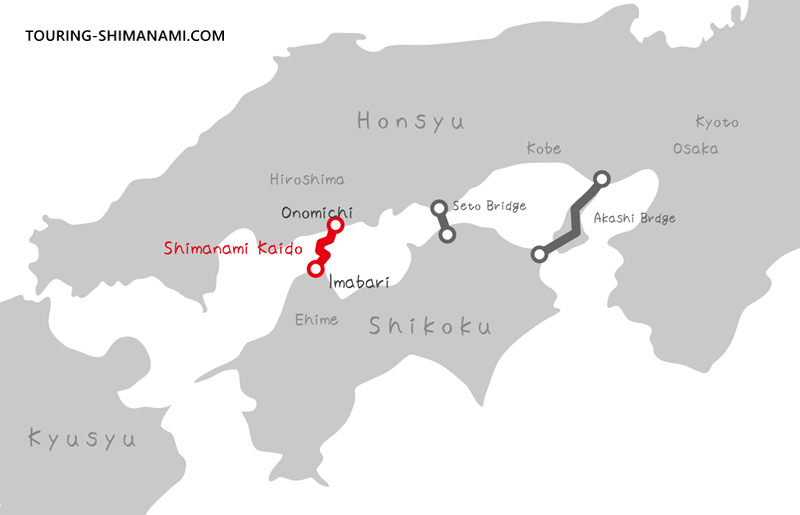
Crossing the Seto Inland Sea between Imabari and Onomichi
The gateways to cycling on Shimanami Kaido are JR Onomichi Station (Sanyo Main Line) on the Hiroshima side, and JR Imabari Station (Yosan Line) on the Ehime side. Rental cycle terminals are located near both stations, and the Blue Line — the route guidance marking painted along the road — begins close to each station as well.
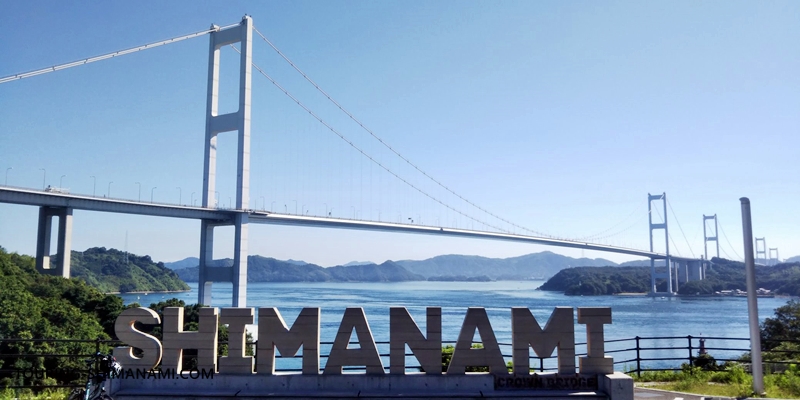
You can start or finish at either Imabari or Onomichi, or even cycle just a portion of the route on one of the islands. That said, considering wind direction and terrain, I generally recommend starting from Imabari in Ehime. Below is a summary of the main public transportation options for getting from the Osaka area to JR Imabari Station.
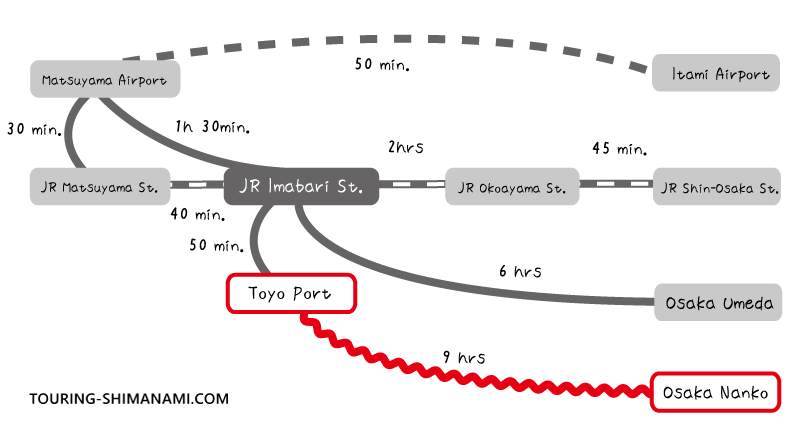
Getting from Osaka to Imabari Station / Shimanami Kaido
In the diagram, the black-and-white striped lines indicate JR rail services (Shinkansen and limited express trains), solid lines show bus routes, dotted lines show flights, and wavy lines show ferry routes. Transfer times are not included. From the Kansai area, the most common route is the Shinkansen combined with a limited express train, transferring at Okayama Station. There is also a direct highway bus connecting Umeda (Osaka) and Imabari without any transfers, which is another convenient option.

Taking a ferry is a good option
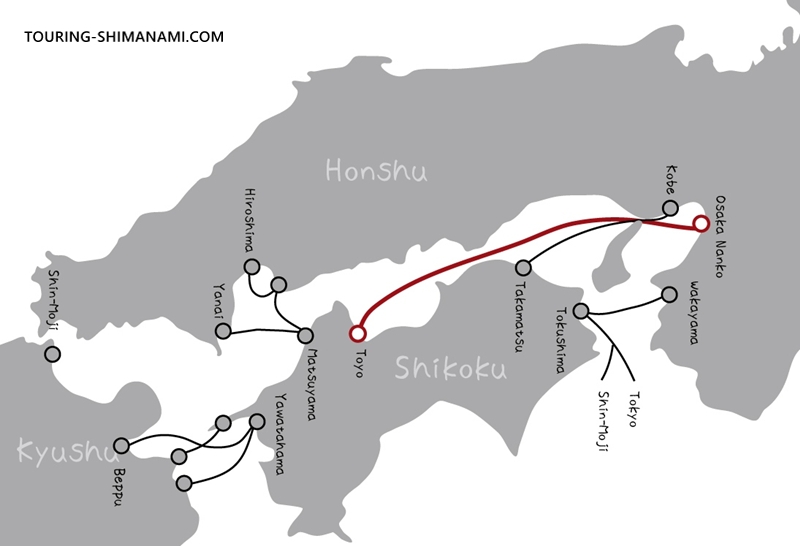
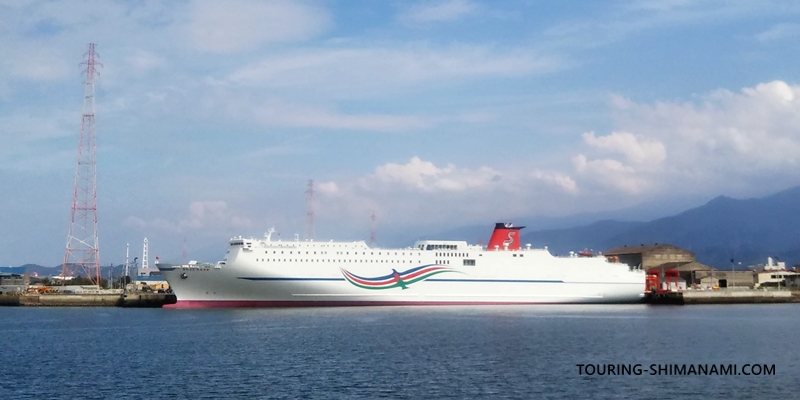
Among those options, the one I want to introduce here is the ferry. The Orange Ferry (Shikoku Kaihatsu Ferry) operates a route between Osaka Nanko (Osaka South Port) and Toyo Port in Ehime. Toyo Port is a ferry terminal located in Saijo City, about 25 km from Imabari. While there are several ferry routes connecting Honshu and Kyushu with Shikoku, this Orange Ferry Kansai route is one of the most popular and convenient options for accessing Shimanami Kaido.
Traveling by ferry offers a different kind of pleasure compared to trains, highway buses, or your own car. For those visiting Ehime specifically for Shimanami Kaido cycling, taking the ferry has several distinct advantages.
This is actually a route I often use myself when traveling to Osaka!
AD (Google AdSense)
Why I Recommend the Orange Ferry
The benefits of taking the ferry
There are many ways to reach Imabari in Ehime — Shinkansen, flights, highway buses, and more — but what makes the ferry worth choosing? Whether you plan to bring your own bicycle or rent one once you arrive, the ferry has something to offer everyone.
① Travel Overnight While You Sleep
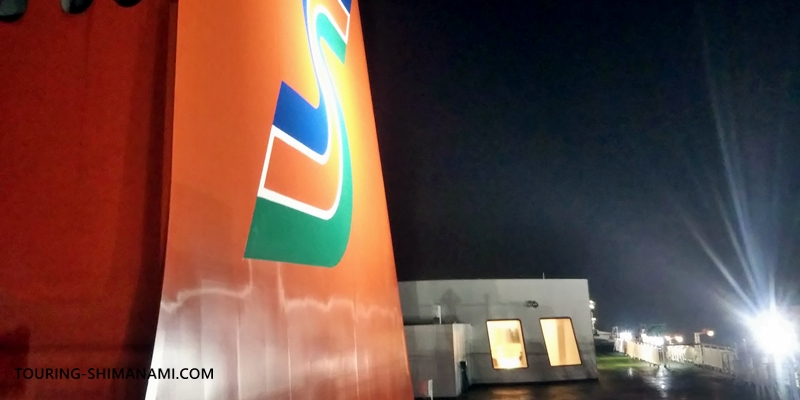
True to its concept of a “floating hotel on the sea,” the biggest advantage of this Kansai route is that you travel while you sleep. Both the Osaka Nanko and Toyo Port departures leave at night and arrive in the early morning. This means you could head straight to the port after work, board the ferry, and wake up in Imabari the next morning — making the most of even a short holiday. With overnight bus services becoming less frequent in recent years, this overnight ferry is a rare and valuable option.
② Bring Your Bicycle with Ease
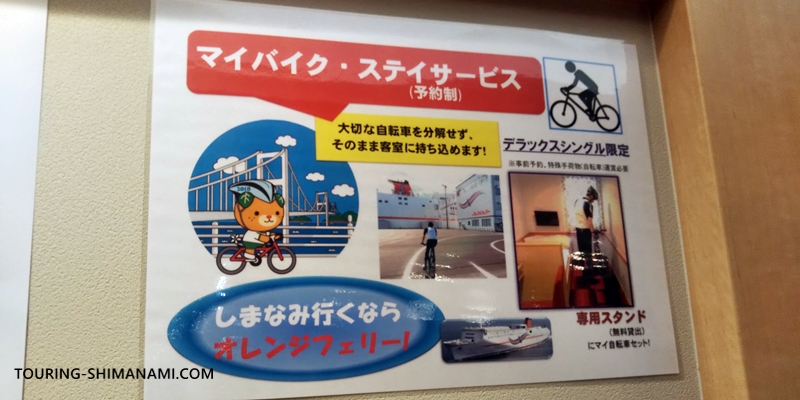
Taking your own bike on most public transportation in Japan requires considerable effort. On JR trains, for example, you need to disassemble your bike and pack it into a special carrying bag — a practice known as rinko (carrying your bike in a bag). Highway buses often don’t allow bicycles at all. Ferries, on the other hand, are wonderfully compatible with bike travel, since you can bring your bike on board without disassembling it. Some cabin types on Orange Ferry even offer a special “My Bike Stay Service,” allowing you to bring your road bike right into your private room. Motorcycles can also be loaded on board easily.
③ Sleep in a Real Bed While Traveling
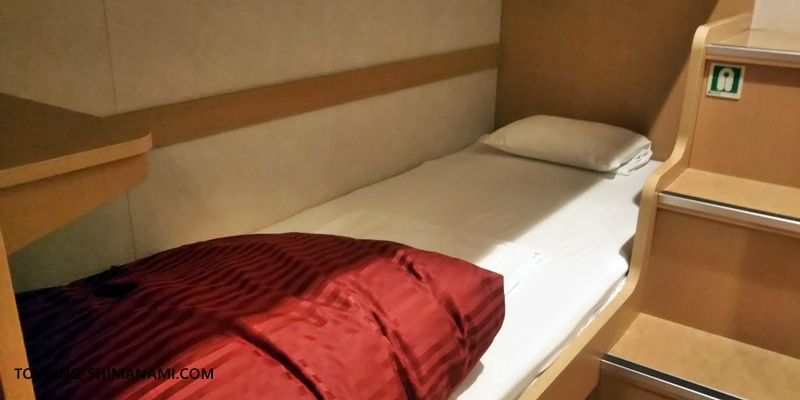
Compared to overnight highway buses — which also let you travel while the hours pass — being able to lie down in a real bed is a huge advantage. As many of you may know, sleeper trains in Japan are nearly extinct these days. Since you’ll be using your body fully the next day out on the bike, getting a proper rest beforehand is truly important for enjoying Shimanami Kaido to the fullest. The Orange Ferry Kansai route ships have eliminated the large shared sleeping areas found on older vessels, replacing them with fully private cabins — making it much easier to sleep comfortably.
④ Onboard Restaurant and Baths
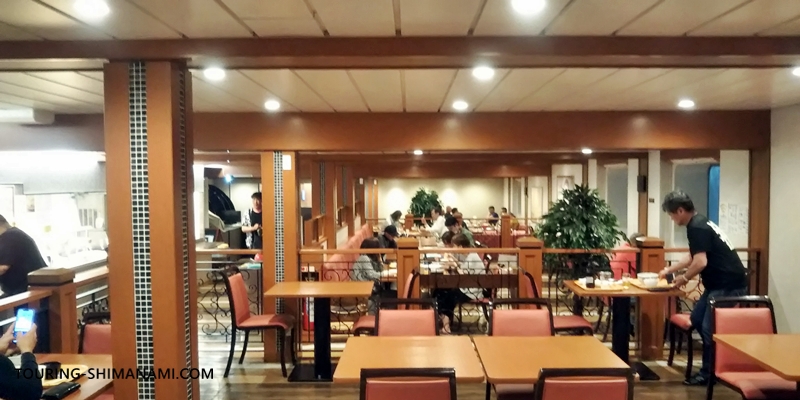
The Orange Ferry ships offer far more than just a place to sleep. There is a restaurant serving food and drinks made with local ingredients, as well as bath facilities and shower rooms available at any time during the voyage. Doesn’t it sound wonderful to refresh yourself in a bath before or after a day of cycling — all while moving toward your destination? And when you factor in that accommodation and bathing are both included in the ticket price, it’s actually excellent value for what you get.
⑤ A Touch of Luxury
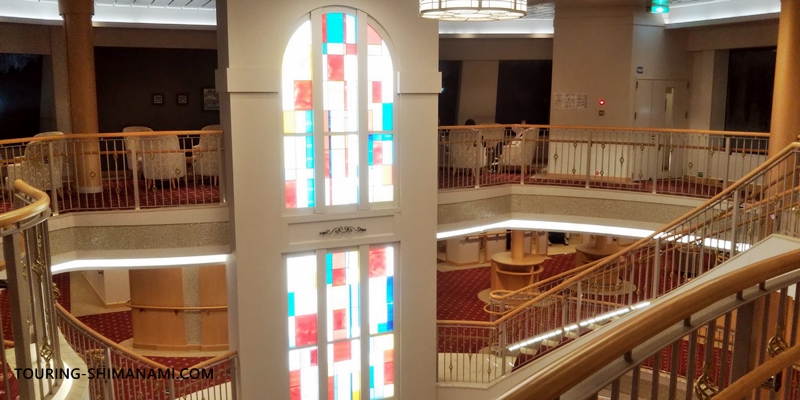
Both the Orange Ehime and Orange Osaka are brand-new ships built in 2018, so everything still looks pristine and spotless. The entrance hall features a stunning open atrium staircase spanning four to six decks, giving it the feeling of a luxury hotel. There is a genuine excitement to stepping on board.
⑥ The Romance of Sailing the Seto Inland Sea
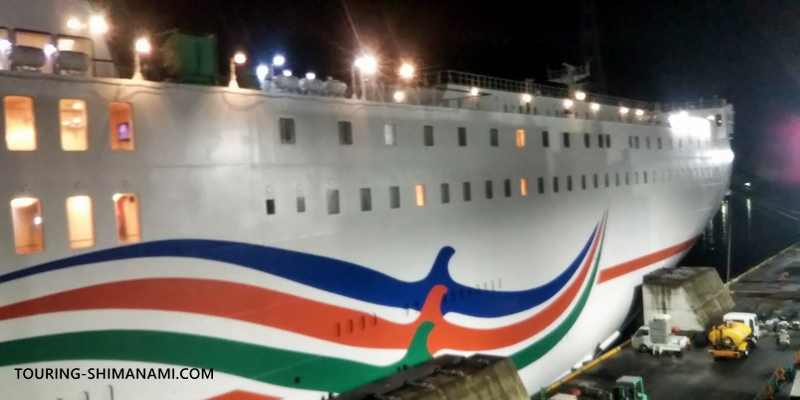
The Seto Inland Sea has long been an important waterway, and compared to ferries on the Pacific or the Sea of Japan, the waters here are remarkably calm — I barely felt any rocking during my voyage. There is something deeply appealing about choosing to travel by ship when visiting Shimanami Kaido. Unlike the speed of a plane or Shinkansen, this slower, more traditional way of traveling adds a sense of depth to the journey and leaves you with memories that feel richer somehow.
The Orange Ferry from Osaka to Toyo Port is something I truly recommend for reaching Shimanami Kaido!
AD (Google AdSense)
Osaka Nanko – Toyo Port Ferry
Here I’d like to share the details of the Orange Ferry Kansai route — the ferry terminals, timetables, and how to make a reservation.
Ferry terminals
The Orange Ferry Kansai route operates between Osaka Nanko (Berth F3) on the Osaka side and Toyo Port in Ehime. It is a direct service with no stops at any other ports in between.
Osaka Nanko (Osaka South Port)
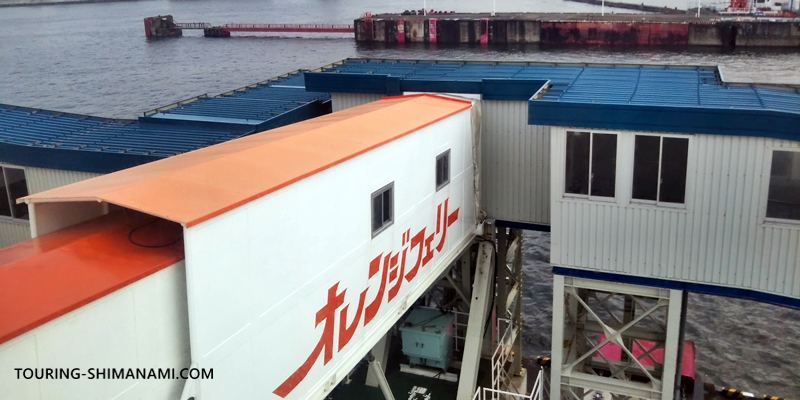
The Osaka Nanko ferry terminal has three piers, and the Orange Ferry boarding area is at the middle one — called Berth F3. The nearest train station is “Ferry Terminal Station” on the New Tram Nanko Port Town Line. There are also paid shuttle buses to Kansai International Airport (advance reservation required), as well as shuttles toward Universal City and local buses toward Sakai Station and Sakai-Higashi Station. A paid parking lot is available for private vehicles at around ¥500 per day.
| Ferry Terminal | Orange Ferry — Osaka Nanko |
|---|---|
| Address | 2-2-24 Nanko-Minami, Suminoe-ku, Osaka City |
| Phone | 06-6612-3400 |
| Reservation Center | 06-6612-1811 (9:00–17:30) |
Toyo Port
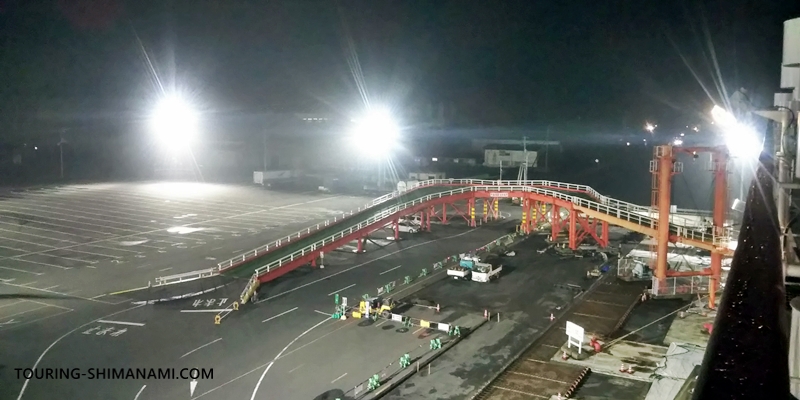
Unlike Osaka Nanko, there is only one pier at Toyo Port — so it is simple and easy to navigate. Free shuttle buses run between the port and Imabari Station, Niihama Station & Saijo Station, and Nyugawa Station. Only the bus heading to Nyugawa Station (Orange Ferry Bus) allows bicycles packed and disassembled in a special bike carrying case called a “rinko bag.” Please note that the shuttle bus to Matsuyama Station is paid and requires advance reservation. The parking lot at Toyo Port is much larger than the one at Osaka Nanko, and free of charge.
| Ferry Terminal | Orange Ferry — Toyo Port |
|---|---|
| Address | 1500-2 Imazaike, Saijo City, Ehime Prefecture |
| Phone | 0898-64-6001 |
| Reservation Center | 0898-64-4121 (9:00–17:30) |
Timetable
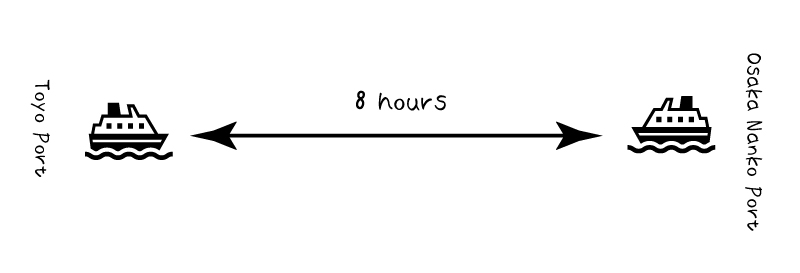
The Orange Ferry Kansai route operates with two ships — Orange Ehime and Orange Osaka — both departing at nearly the same time from their respective ports and passing each other in the middle of the Seto Inland Sea. As a result, which ship you board tends to alternate from day to day.
Osaka Nanko to Toyo Port
| Timetable | Osaka Nanko | Passing Akashi Kaikyō Bridge | Passing Seto Ōhashi Bridge | Toyo Port |
|---|---|---|---|---|
| Osaka → Ehime | Departs 22:00 | Around 23:00 | Around 3:00 AM | Arrives approx. 6:00 AM next morning |
※ The times for passing under the Akashi Kaikyō Bridge and Seto Ōhashi Bridge may vary depending on the day’s tidal currents.
Toyo Port to Osaka Nanko
| Timetable | Toyo Port | Passing Seto Ohashi Bridge | Passing Akashi Kaikyo Bridge | Osaka Nanko |
|---|---|---|---|---|
| Ehime → Osaka | Departs 22:00 | Around 12:30 AM | Around 4:00 AM | Arrives approx. 6:00 AM next morning |
※ Schedules may differ during scheduled maintenance periods (dry dock). Please check the official website for the most up-to-date timetable.
Boarding is available from 20:00 for both the Osaka Nanko and Toyo Port departures. If you arrive earlier than the departure time, you can board from 20:00 onward and settle in at your leisure. Additionally, if you are arriving at Toyo Port, you may remain on board until 7:00 AM; if arriving at Osaka Nanko, until 8:00 AM. Since the arrival time is quite early in the morning, this service is a welcome option for those who prefer a more relaxed morning start.
How to make a reservation
Reservations can be made up to two months before your planned departure date, either by phone or through the official website. While walk-in boarding may be possible during off-peak seasons, I recommend booking in advance to guarantee your spot. Online reservations come with a 5% discount, which is a nice bonus.
| Reservation Contact | Osaka Nanko | Toyo Port |
|---|---|---|
| Reservation Center (Phone) | 06-6612-1811 | 0898-64-4121 |
| Reservation Center Hours | 9:00–17:30 | 9:00–17:30 |
Even without logging in, you can check current availability and seasonal fare information on the Orange Ferry official website and reservation page.
Brand-new ships with fully private cabins
The new vessels
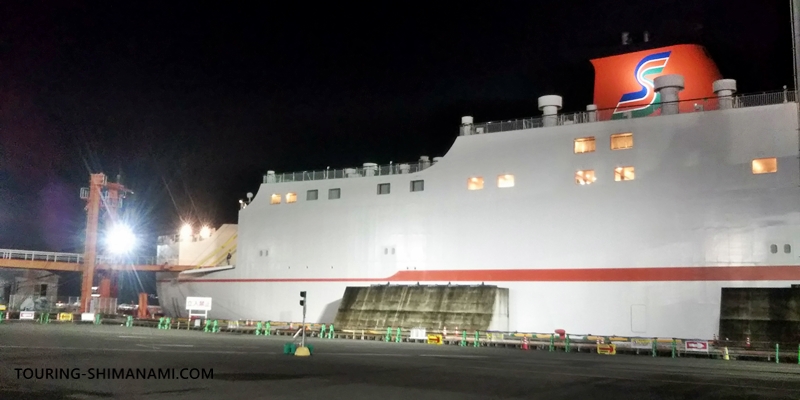
Orange Ferry had operated two ships — Orange 8 and Orange 7 — for many years before the new Orange Ehime and Orange Osaka began service in 2018. These vessels were built at the shipyard “Aiesu Zosen” (a member of the Imabari Shipbuilding Group) located along the outer coastal route of Oshima Island on Shimanami Kaido — truly “Made in Shimanami” ships. They are approximately 1.5 times larger in gross tonnage than the previous vessels, with increased capacity for both passenger cars and trucks.
| Vessel | Orange Ehime | Orange Osaka | Orange 8 (Previous vessel) |
|---|---|---|---|
| Length | 200 m | 200 m | 164 m |
| Gross Tonnage※ | Approx. 14,700 GT | Approx. 14,700 GT | Approx. 10,000 GT |
| Passenger Capacity | 519 | 519 | 750 |
| Vehicle Capacity | 45 cars / 175 trucks | 45 cars / 175 trucks | 42 cars / 122 trucks |
※ Gross tonnage is a measure of the overall internal volume (size) of a ship.
The Orange Ehime and Orange Osaka are sister ships with virtually identical layouts and interiors. The easiest way to tell them apart is by the stripe color along the hull: Orange Ehime has an orange stripe, while Orange Osaka has a blue stripe. The interior design follows suit — Orange Ehime features warm orange tones in the carpeting and décor, while Orange Osaka leans toward cool blue tones.
All cabins are private rooms
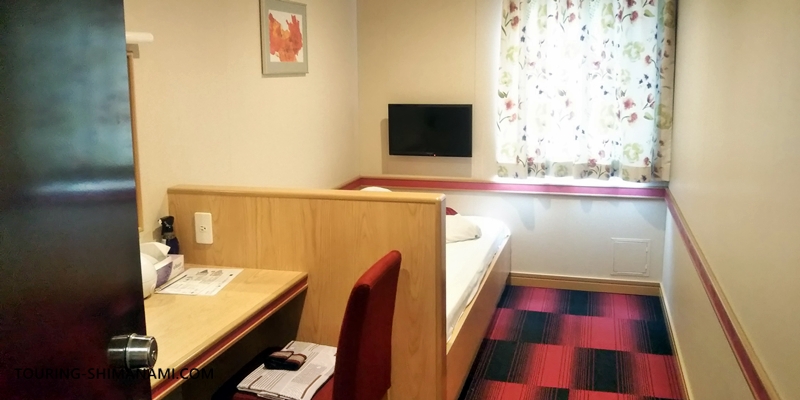
The concept behind Orange Ehime and Orange Osaka is “a floating hotel on the sea.” When they launched, they were Japan’s first long-distance ferry to offer fully private cabins throughout the entire ship. The standard options are the Single and Single+ cabins, while more premium options include the Deluxe Single, Suite, and Royal. The large open dormitory-style sleeping areas of the older vessels are gone — no more shared sleeping spaces or bunking with strangers.
| Class | Cabin Type | Number of Cabins | Features |
|---|---|---|---|
| 2nd Class Sleeper | Single | 204 cabins + driver rooms | Solo cabin. A simple private room with just a bed and chair — no amenities or yukata (Japanese bath robe) included. |
| 2nd Class Sleeper | Single+ | 36 cabins | For 2 guests. A private room with bunk beds only — no amenities or yukata. |
| 1st Class Private | Deluxe Single | 67 cabins | A slightly larger solo room with amenities, yukata, TV, and a lockable door. |
| Special Class Private | Suite | 37 cabins | Twin room for 2 guests. Amenities, yukata, TV, and a lockable door included. Japanese-style tatami rooms for up to 4 guests are also available. |
| Special Suite | Royal | 4 cabins | The most luxurious option for 2 guests. Two twin rooms and two double rooms are available. |
As I will explain later, guests in a Deluxe Single cabin can bring their own bicycle directly into the room through the paid “My Bike Stay Service.” There is also a women-only area within the Single cabin section, which is reassuring for solo female travelers.
Fares (Reference)
Fares on the Orange Ferry Kansai route are dynamic, with three pricing periods — Period A, Period B, and Period C — corresponding to busy, regular, and off-peak seasons. The price you pay depends on the date you travel. The fares listed below are from my onboard research visit in mid-May 2023, which fell during Period C (the most affordable period). Please use these figures as a rough reference only.
| Cabin Type | Class | Fare |
|---|---|---|
| Single | 2nd Class Sleeper | ¥8,200 |
| Single+ | 2nd Class Sleeper | ¥8,200 / person |
| Deluxe Single | 1st Class Private | ¥10,000 (+ ¥1,800 for in-room bicycle storage) |
| Suite | Special Class Private | ¥12,700 / person |
| Royal | Special Suite | ¥17,800 / person |
※ These are Period C fares at the time this article was written.
AD (Google AdSense)
To the Shimanami Kaido
Getting from Toyo Port to Imabari Station
Imabari Station — the gateway to Shimanami Kaido — is about 25 km from Toyo Port.
For those renting a bicycle
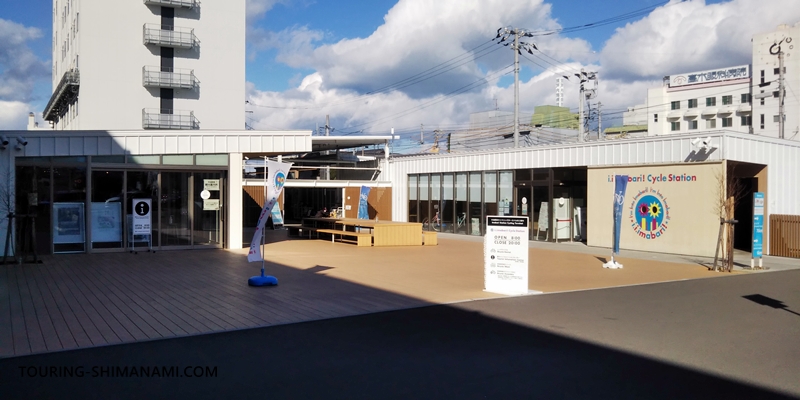
If you are traveling on foot (using public transportation rather than bringing your own bike), the best option is the free shuttle bus between Toyo Port and Imabari Station. The ferry arrives at Toyo Port around 6:00 AM, and the shuttle bus toward Imabari departs at 6:20 AM, arriving at Imabari Station at 7:03 AM. Since the Imabari Station Cycling Terminal (where rental bikes are available) opens at 8:00 AM, you will have some time to grab breakfast before picking up your bike. The Sunrise Itoyama Rental Cycle Terminal, which is closer to the bridge, can be reached by taxi or local bus.
For those bringing their own bicycle
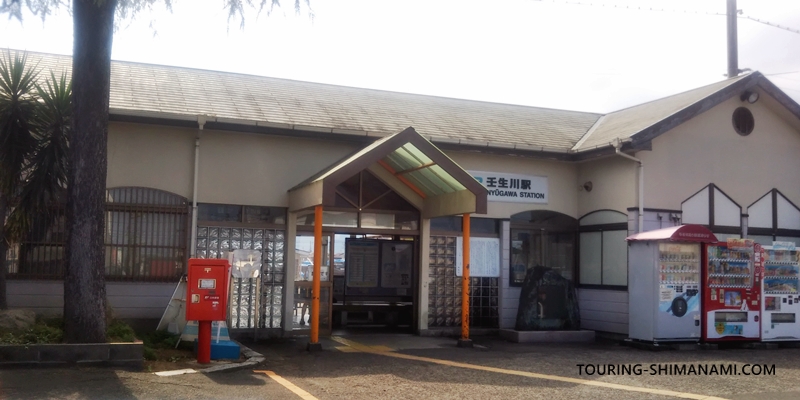
If you are bringing your own bicycle, you have two choices: ride the 25 km to Imabari under your own power, or use rinko (pack and disassemble your bike). Note that bicycles — even in a rinko bag — cannot be loaded onto the shuttle bus between Toyo Port and Imabari Station. However, the free Orange Ferry Bus from Toyo Port to Nyugawa Station does allow bicycles in rinko bags, so you can use that service and then transfer to a JR Yosan Line train from Nyugawa Station to Imabari Station or Hashimahama Station.
Alternatively, if you prefer not to disassemble your bike, you can use the “Cycle Train,” a special local train service that allows bicycles to remain fully assembled. This service operates between Nyugawa Station and either Imabari Station or Hashihama Station on weekends and public holidays, with no advance reservation or extra charge required. On Saturdays, Sundays, and public holidays, certain local trains allow you to bring your bicycle on board as-is, with no advance reservation and no extra charge.
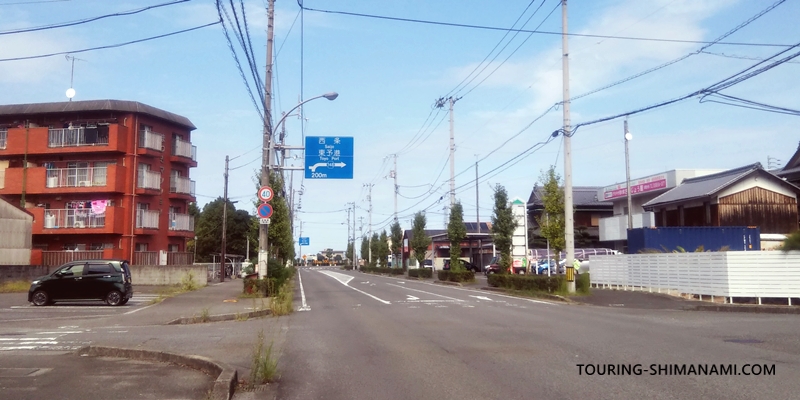
If you choose to ride from Toyo Port to Imabari Station under your own power, there are several route options. Some sections of National Route 196 and Prefectural Road 38 (the industrial road) have narrow shoulders and can be stressful to cycle on. I have put together a recommended route using Google My Maps — feel free to use it as a reference.
Three ways to bring your bicycle on board
There are three ways to bring your own bicycle on the Orange Ferry Kansai route.
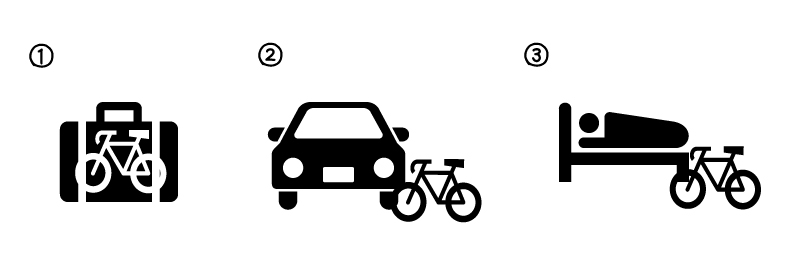
① In a Rinko Bag (Bike Packing Bag)
If you want to keep travel costs as low as possible, the best option is to disassemble your bike, pack it into a rinko bag, and carry it on board as hand luggage. There is no extra bicycle fee for this method. You board through the same route as walk-on passengers, carry the bag to your cabin, and store it there. the 7:00 AM Orange Ferry shuttle bus from Toyo Port to Nyugawa Station also accommodates bicycles in rinko bags.
② On the Vehicle Deck
If you prefer not to use a rinko bag, you can load your bicycle onto the vehicle deck — the same way motorcycles are transported. This is the standard method used on most ferry routes for cycling passengers. A bicycle loading fee of ¥1,800 (light vehicle fare) is added to your ticket price. After completing the check-in procedure at the counter, you wait in the designated area alongside motorcycles and board via the vehicle deck entrance. On this particular route, bicycles are typically laid on their side on a blanket in a designated spot on the vehicle deck.
③ My Bike Stay Service (Deluxe Single Only)
Orange Ferry’s Kansai route offers a special service called the “My Bike Stay Service” — arguably the most secure and reassuring way to transport your prized bicycle. Available exclusively for the Deluxe Single cabin and only when booked by phone, this service allows you to bring your bicycle into your private room without disassembling it, for an additional fee of ¥1,800. Simply let the staff know you’d like to use the My Bike Stay Service when making your phone reservation. You board via the same route as other walk-on passengers, using elevators as needed, and wheel your bike into the room with you. A limited number of cycle stands are also available to borrow on request.
This cyclist-friendly service feels very much in keeping with a ferry route that has Shimanami Kaido in mind!
AD (Google AdSense)
My Orange Ferry Boarding Report
I actually sailed on it
In May 2023, I actually boarded the Orange Ehime on the Kansai route, sailing from Toyo Port to Osaka Nanko. I’d like to share what that experience was like through photos. To catch the 22:00 departure from Toyo Port, I used the free shuttle bus departing from Imabari Station.
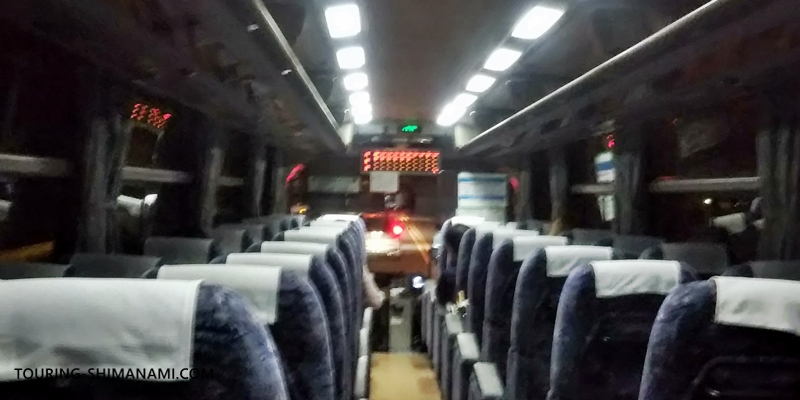
At 20:00, the shuttle bus bound for Toyo Port arrived at Bus Stop 4 in front of Imabari Station. I had been expecting a microbus, but it turned out to be a fairly large four-abreast coach. The bus also serves general passengers (not just ferry users), stopping at many bus stops between Imabari Station and Toyo Port — Passengers who get off before Toyo Port pay the regular bus fare. Right on schedule at 20:54, we arrived at Toyo Port — about an hour before departure, which felt comfortably early.
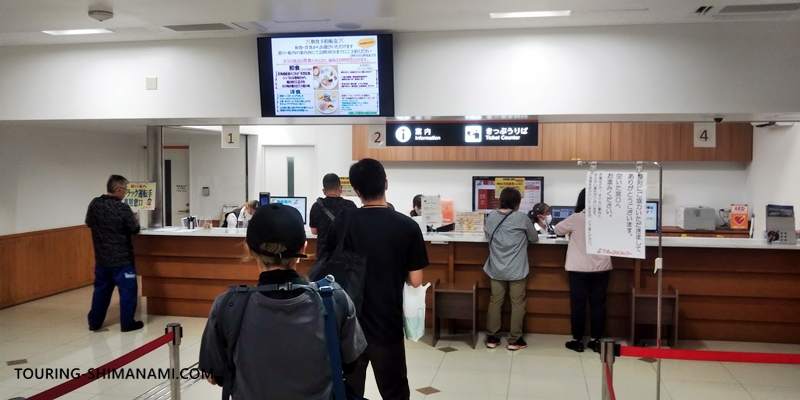
Since I had already reserved and paid by credit card through the website, I proceeded to the check-in counter on the first floor of the Toyo Port ferry terminal building. I had booked a 2nd Class Sleeper Single cabin. At check-in, I was handed a printed ticket with a QR code and my cabin number.
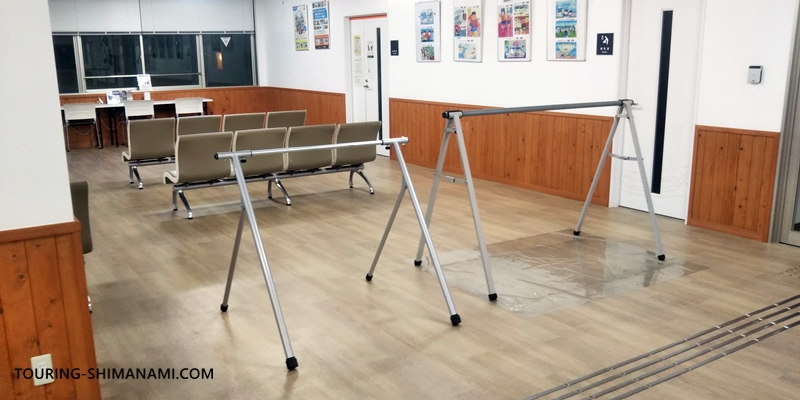
There was a bicycle rack on the 4th floor waiting area as well. If you are using the My Bike Stay Service, you can bring your bike up by elevator to this waiting area and wait there before boarding. The boarding gangway connects from this 4th floor, so walk-on passengers board the ship directly from here.
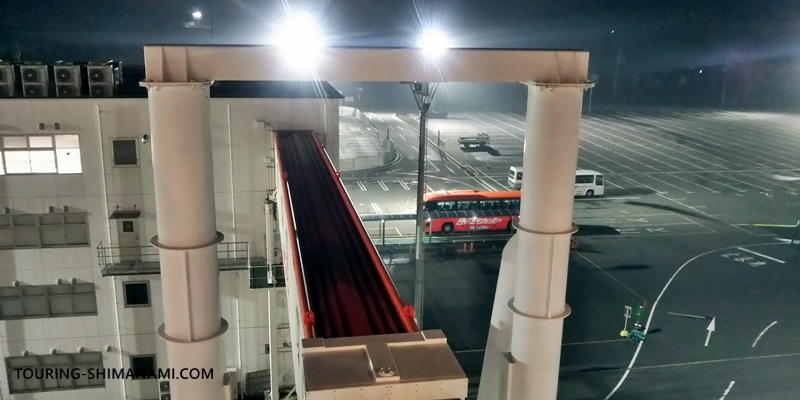
A crew member was stationed at the boarding entrance, so I showed my ticket and stepped inside.
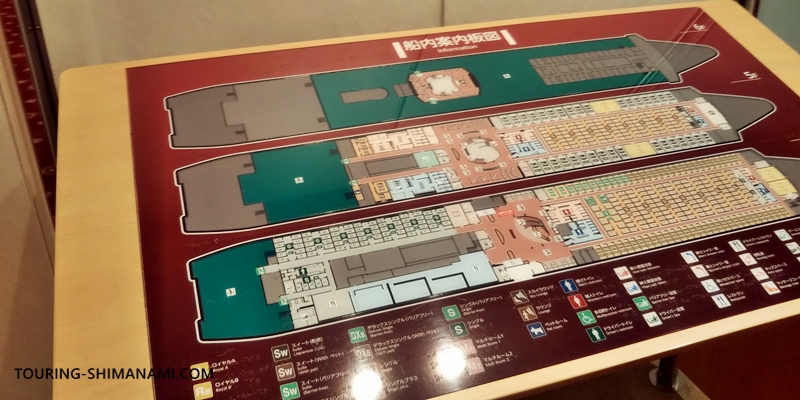
The boarding entrance is on Deck 4. Decks 4 and 5 contain the cabins, while Deck 6 houses the lounge and outdoor deck area — these three decks make up the guest-accessible zone. Boarding is possible from 20:00, so there were already plenty of passengers on board when I arrived, with many enjoying meals in the restaurant.
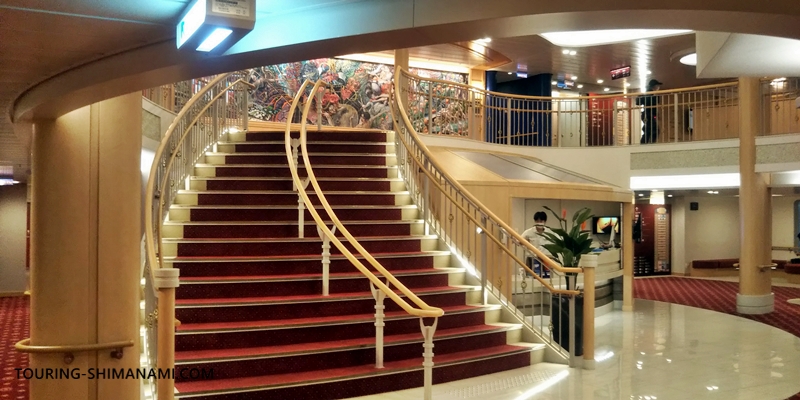
The entrance hall was far more impressive than I had imagined. Being a new ship, everything inside was spotless and gave off a very clean, fresh impression. The open-atrium staircase immediately filled me with a sense of excitement.
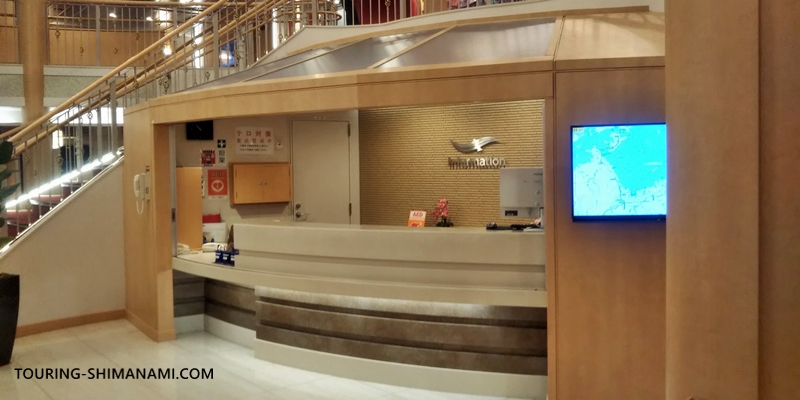
Staff members near the entrance greeted me, and when I mentioned my cabin number, they pointed me in the right direction. The ship is quite large inside, and I might not have found my cabin easily without their help.
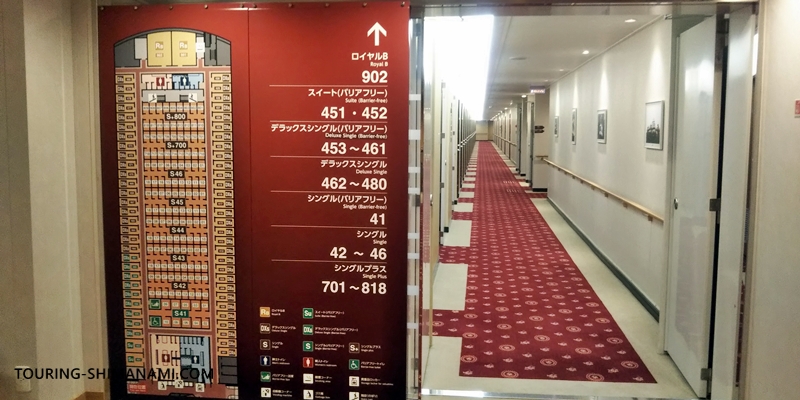
The number of cabins was striking, but I managed to find mine without too much trouble. On Deck 4, two long corridors run the length of the ship — the Deluxe Single cabins are on the outer sides of each corridor, while the Single and Single+ berths are in the central section between the two corridors.
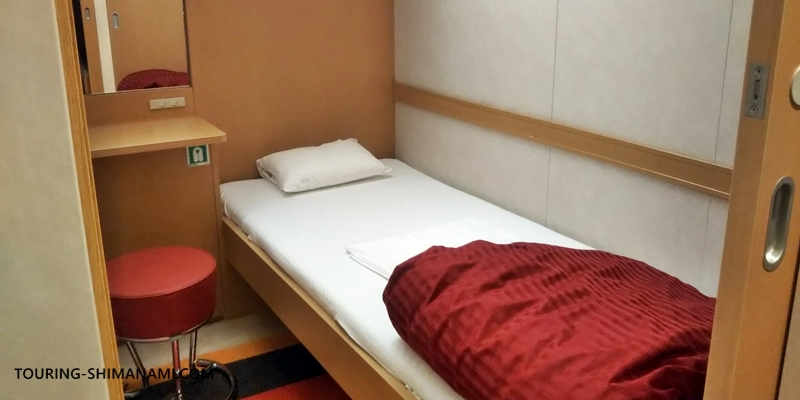
Here is what my Single cabin looked like. I was able to book a room in the women-only Single cabin area, which felt reassuring. The room is simple — no amenities or yukata are included with this cabin type, and the bedding was self-service style (you set your own duvet cover). There was a power outlet, and the reading light next to the bed could be turned off from there. The air conditioning had a vent that could be adjusted slightly.
Unlike the Deluxe Single, the Single and Single+ cabins do not have an external lock on the door, so it is important to keep your valuables with you whenever you leave the room. There were also lockers available for valuables. The door does lock from the inside while you sleep.
Exploring the ship
With spacious guest areas spanning three decks, and a variety of shared facilities on board, I left my bags in the cabin and set off to explore the ship. There was still time before departure, and the ship wasn’t moving at all — it really did feel like being inside a hotel. My first stop was the restaurant.
The onboard restaurant
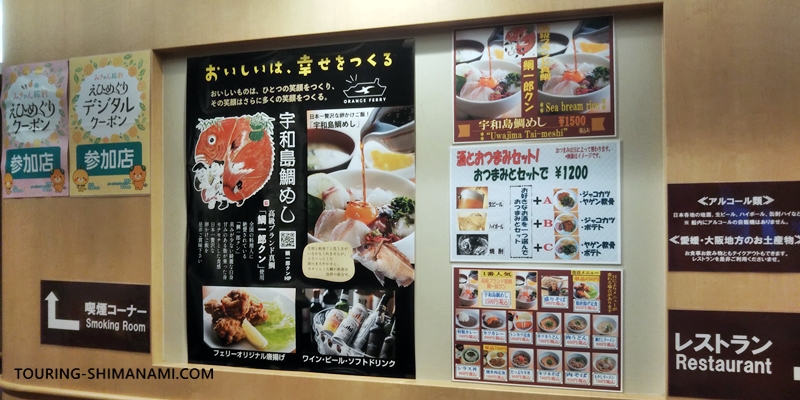
The biggest surprise of my entire Orange Ferry experience was the restaurant on Deck 4. The menu was wonderfully varied — featuring local dishes like Uwajima-style sea bream rice (tai-meshi), as well as classic options like curry and udon noodles, plus a selection of pre-made side dishes and snack sets to pair with beer or highballs.
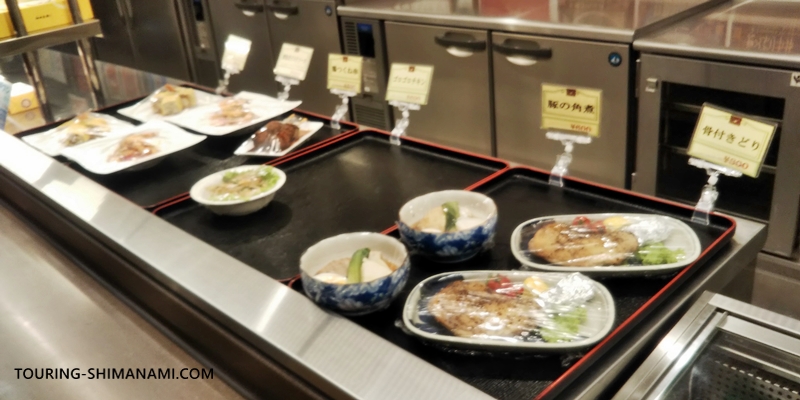
There was a large, full-scale kitchen at the back, and seeing the chefs cooking made a real impression. The variety of menu items, the quality of the food, and the reasonable prices were all well beyond what you might expect on a ship. I would definitely recommend skipping dinner before boarding and enjoying your evening meal — or even a few drinks — on the ship’s restaurant.
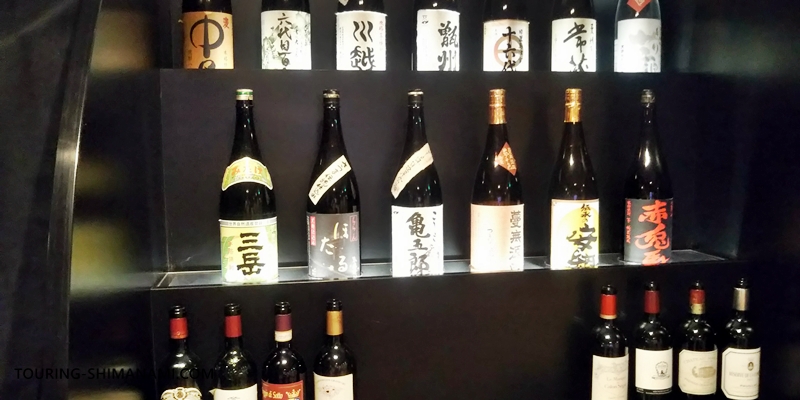
The selection of sake, shochu (Japanese distilled spirit), wine, and more was also surprisingly extensive for a ship’s restaurant. I am not much of a drinker myself, but I can imagine this is a real treat for those who enjoy their drinks. There are no convenience stores near Toyo Port and no shops inside the terminal building, but the restaurant more than covers everything you might need. Canned beer and other drinks could also be purchased there.
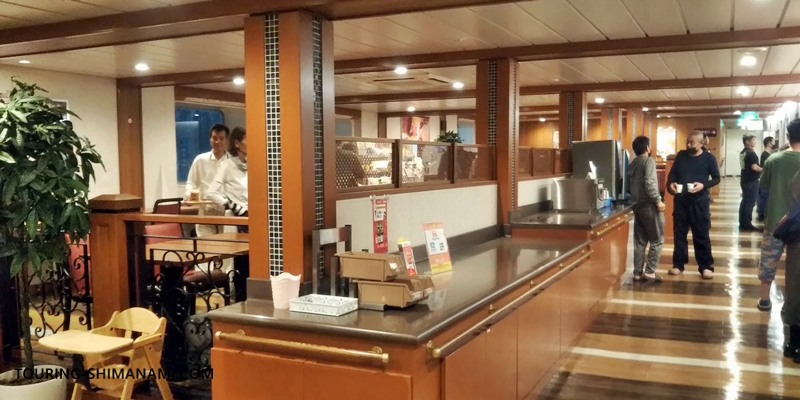
The restaurant was very popular, as you might expect. Orders are called out by receipt number at a food-court style counter, but there were enough tables that I found a seat without any waiting. Having a hot, delicious meal is one of the highlights of the voyage.
Vending machines
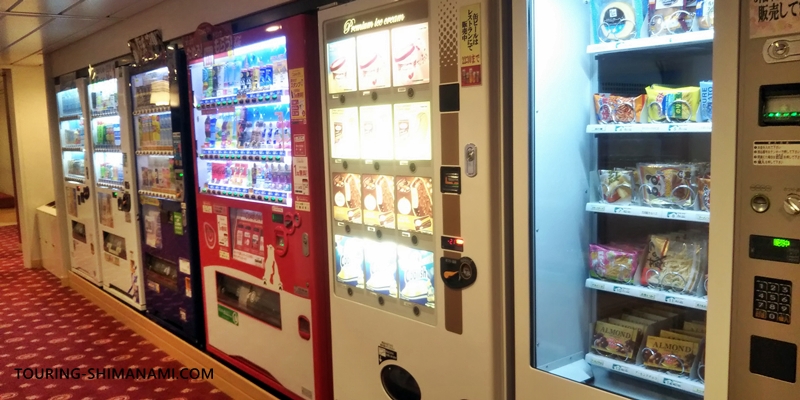
Behind the information center in the Deck 4 entrance hall, there was a vending machine corner with bottled and canned drinks, light snacks, and even ice cream machines.
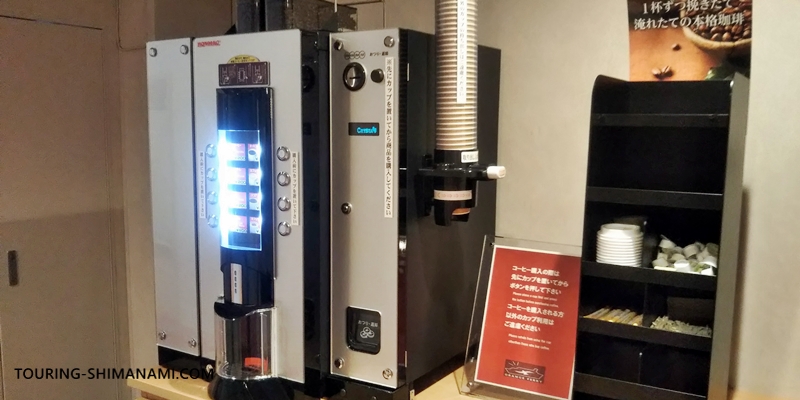
For coffee lovers, there was even a bean-to-cup coffee vending machine on board — a nice touch.
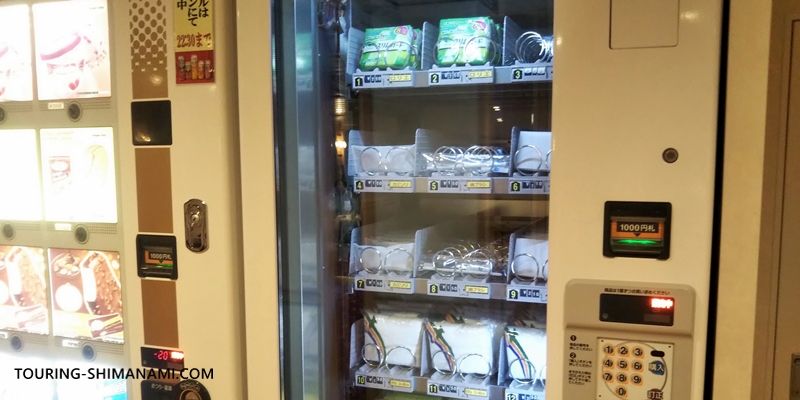
On Deck 5, there was another vending machine corner with toiletries such as towels and toothbrushes, as well as feminine hygiene products. It is reassuring to know that if you forget something, you can pick it up on board.
The baths and shower rooms
Deck 5 has separate men’s and women’s bath facilities and shower rooms, available for use at any time during the voyage. The changing area has lockers with wristband keys, similar to a public bathhouse. Hairdryers are also provided. The baths are named “Panoramic Bathrooms,” though the windows are frosted and it was nighttime, so there was very little to see outside. Still, soaking in a proper bath while at sea is a memorable experience.
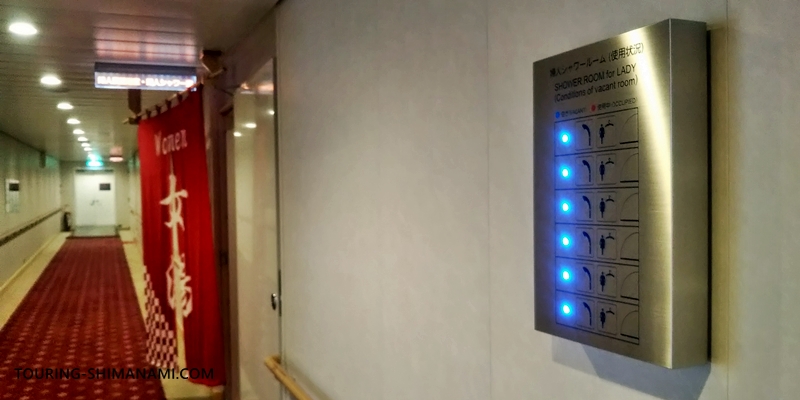
Unlike some other ferries that offer open-air baths or saunas, there are two indoor baths here, along with 12 individual washing stations equipped with shampoo, conditioner, and body soap. For those who prefer privacy, there are 6 individual shower booths, and their availability is displayed on a board in the corridor. Photography is not permitted in the bath area — please refer to the official website for photos.
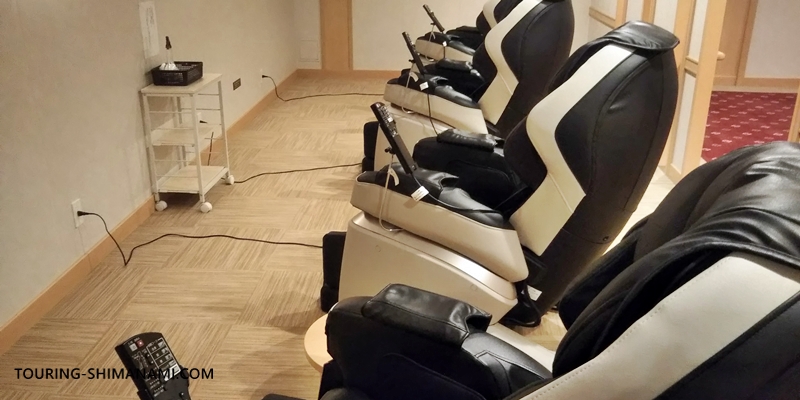
After your bath, you might enjoy a session in one of the massage chairs nearby. There were 4 chairs available at ¥200 for 15 minutes each. After a day of cycling, combining a bath with a massage is genuinely wonderful for recovery.
Other facilities
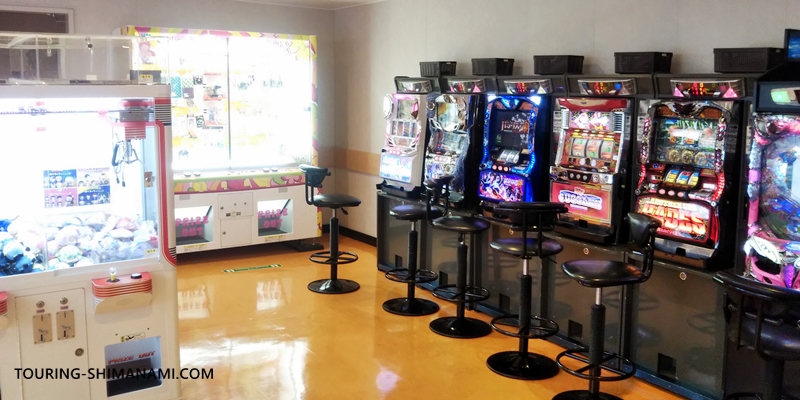
There was also a game corner with claw machines and slot machines for some lighthearted entertainment.
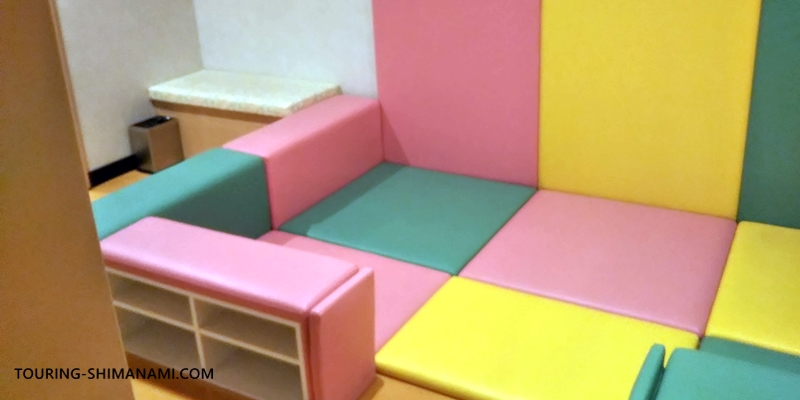
There was a kids’ space and a nursing room as well — a welcome feature for families traveling with young children. With all cabins now being private rooms, the nursing room may not be needed as often, but it is good to know it is there. Smoking rooms were also available in several locations — fully enclosed rooms with proper closing doors. From the Deck 6 observation lounge, you could access the outdoor deck as well, which was nice for catching a breeze at night or watching the early morning scenery of the Seto Inland Sea.
Arriving at Osaka Nanko
Right on schedule, we arrived at Osaka Nanko at around 6:00 AM the next morning. Breakfast is also available in the restaurant. Walk-on passengers could remain on board until 8:00 AM at Osaka Nanko; at Toyo Port, it is until 7:00 AM. For those who do not want to rush off into the very early morning, this extended stay option is a genuinely welcome service.
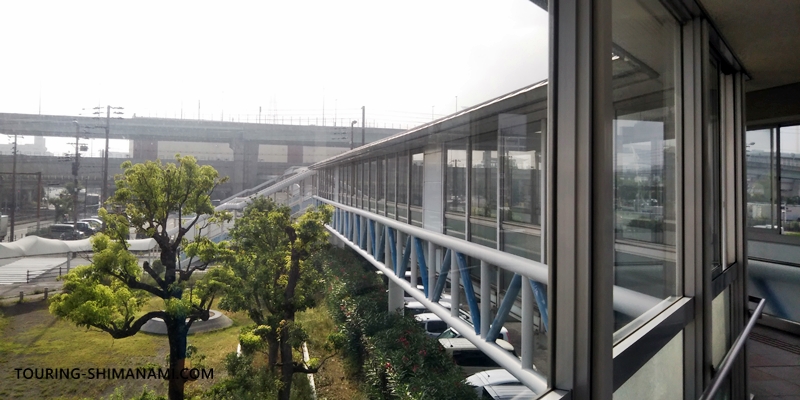
Since I had a Single cabin without an external lock, disembarkation required no formal check-out procedure. I walked down the gangway into the Osaka Nanko terminal building. From there, a covered walkway connects directly to Ferry Terminal Station on the New Tram Nanko Port Town Line, so getting to the station was effortless.
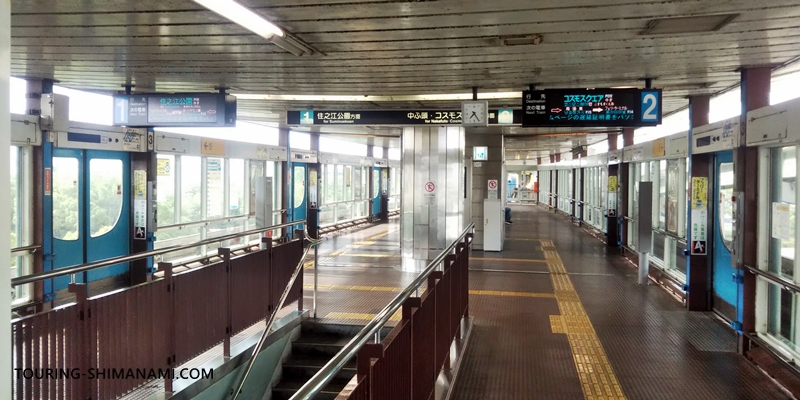
I had business in the Namba area, so I took the New Tram to Suminoe-koen Station and transferred to the Yotsubashi Subway Line. Being able to get moving so early in the morning is one of the great perks of overnight ferry travel. The value was excellent, and it was a thoroughly comfortable voyage.
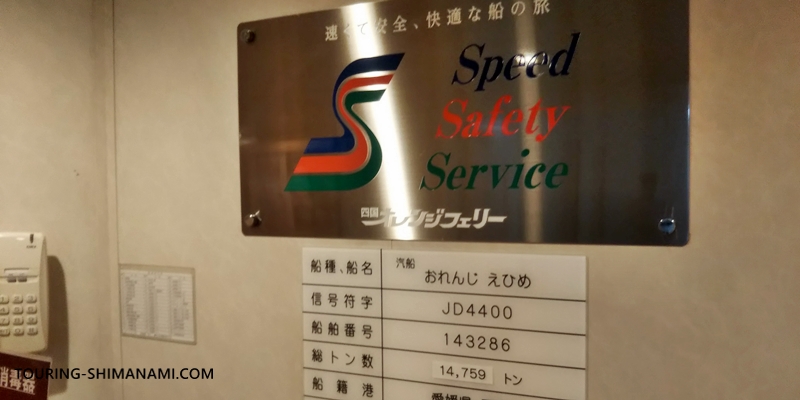
I would love to use Orange Ferry again for travel to the Osaka area. As a way to access Shimanami Kaido, it is a truly recommended and exciting route.
AD (Google AdSense)
Other Ways to Access Shimanami Kaido
I have compiled information on the various public transportation options for reaching Imabari City in Ehime and Onomichi City in Hiroshima from different parts of Japan on a separate page. If you are planning a Shimanami Kaido cycling trip and want to explore access options beyond the Orange Ferry Kansai route, please take a look.
On this page, I have introduced the Orange Ferry Kansai route connecting Osaka Nanko and Toyo Port as one of the access options for reaching Shimanami Kaido. For more information on cycling Shimanami Kaido — suitable for everyone from first-timers to experienced riders — please visit the pages below.