
Plan to cycle the Shimanami Kaido in the rain? Learn about weather patterns, rainfall, safety tips, and the unique beauty you can experience on rainy days.
Hi, I’m Kawai — a touring cyclist based along the Shimanami Kaido. Having cycled this route more than 300 times, I created this site to share practical, experience-based tips for anyone planning a cycling trip here. I hope it helps you make the most of one of Japan’s most beloved cycling destinations.
A cycling route with relatively little rain
Cycling the Shimanami Kaido over two days
The Shimanami Kaido, located between Onomichi City in Hiroshima Prefecture and Imabari City in Ehime Prefecture, is a world-renowned cycling route that attracts riders from all over the globe. The islands are connected by bridges designed to be accessible for both cyclists and pedestrians, allowing you to travel freely between them. As one of Japan’s National Cycle Routes, the area is well-equipped with rental bikes, accommodations, and rest facilities.
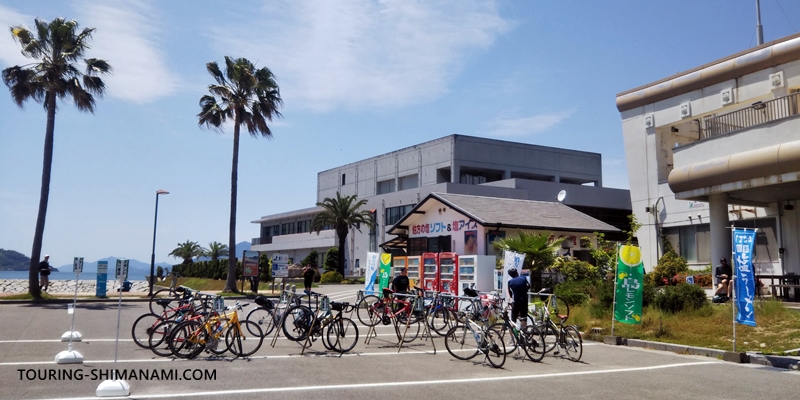
Because of this, the route is often described as suitable for beginners while still being enjoyable for experienced cyclists. One of the defining features of the Shimanami Kaido is that it is an ideal route for a first long-distance cycling trip. The most popular option is to ride the entire route from Imabari to Onomichi. Since the shortest distance is around 70–80 km, it is generally recommended to take at least two days if it is your first time—and this is also what I suggest on my website.

Worried about rain during your two-day ride?
The Seto Inland Sea area, where the Shimanami Kaido is located, is known for its relatively dry climate. As I’ll explain in more detail in the next section, “three out of four days on the Shimanami Kaido are rain-free.” In other words, on the Shimanami Kaido, rain-free days account for more than 23 days a month on average.
In addition, the number of days with heavy rain (10 mm or more), which is strong enough to make cycling difficult, is only about 28 days per year. That’s roughly once every 13 days. In December and January, it’s as low as about 0.5 days per month. Compared to many other regions, the risk of your trip being completely disrupted by heavy rain is quite low. Still, I’d like to share some helpful tips in case you do encounter a rainy forecast.
- The probability of rain while cycling the Shimanami Kaido
- Useful gear and preparation for cycling in the rain
- How to adjust your itinerary depending on weather conditions
I have personally been caught in the rain many times while cycling. However, unless it’s dangerously heavy rain, I believe you can still enjoy your ride as long as you are properly prepared.
Preparation in advance is essential
Gear preparation and gathering information
Good preparation in advance is key to a safe and comfortable cycling experience. When it comes to gear, one approach is to prepare for every possible situation and bring everything you might need. However, there is a limit to how much you can realistically carry. Along the Shimanami Kaido, there are several convenience stores and home improvement stores, so I recommend planning ahead by deciding which items you will bring with you and which ones you can purchase locally.
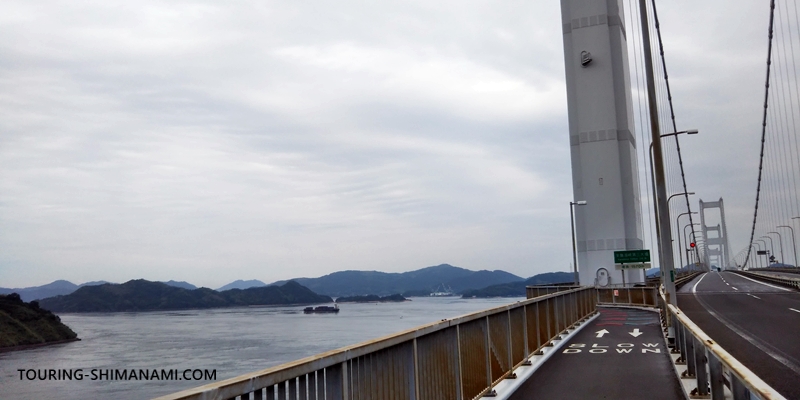
It’s also important to prepare by gathering information in advance—for example, knowing how to shorten your route by using public transportation such as buses or ferries in case of sudden rain, and understanding key safety precautions when cycling in wet conditions.
In this article, I will analyze weather data to better understand the characteristics of rain on the Shimanami Kaido and assess the associated risks. Based on that, I’ll also summarize useful gear and practical tips for cycling in the rain.
First, let’s take a look at the characteristics of rain on the Shimanami Kaido based on weather data.
AD (Google AdSense)
Rain characteristics on the Shimanami Kaido
Analyzing weather data
The Seto Inland Sea area, where the Shimanami Kaido is located, belongs to what is known as the “Seto Inland Sea climate zone,” which is generally characterized by mild temperatures and low rainfall. However, even though rainfall is relatively low, there are still seasons when rain can affect your cycling plans, as well as periods when it hardly rains at all.
Using data from the Japan Meteorological Agency over a four-year period from January 2022 to December 2025, I compiled rainfall data from three locations in the Shimanami Kaido area: Imabari, Omishima, and Ikuchijima. Since there were no significant differences among these locations, I have summarized the results below as an overall trend for the Shimanami Kaido area.
What are the chances of sunny or rainy days on the Shimanami Kaido?
I categorized each day into three types—“no rain (0 mm),” “light rain (0.5–9.5 mm),” and “heavy rain (10 mm or more)”—and then counted the number of days in each category for every month.
| Month | No rain (0 mm) | Light rain (0.5–9.5 mm) | Heavy rain (10 mm or more) |
|---|---|---|---|
| January | 26.5 days | 4.0 days | 0.5 days |
| February | 22.8 days | 5.5 days | 2.8 days |
| March | 21.3 days | 6.0 days | 3.8 days |
| April | 20.8 days | 6.3 days | 3.0 days |
| May | 22.5 days | 5.0 days | 3.5 days |
| June | 19.3 days | 6.5 days | 4.3 days |
| July | 22.5 days | 4.8 days | 3.8 days |
| August | 25.5 days | 3.8 days | 1.8 days |
| September | 22.8 days | 6.0 days | 1.3 days |
| October | 23.5 days | 5.5 days | 2.0 days |
| November | 25.0 days | 4.0 days | 1.0 days |
| December | 27.5 days | 3.0 days | 0.5 days |
| Total | Approx. 280 days | Approx. 60 days | Approx. 28 days |
Counting the number of days with no rain on the Shimanami Kaido, there are about 280 days per year. Since 280 out of 365 days is roughly 77%, it can be said that “three out of four days on the Shimanami Kaido are rain-free.” In other words, there are more than 23 days each month when you don’t need to worry about rain.
- It rains about once every four days on the Shimanami Kaido
- Heavy rain occurs roughly once every 13 days
On average, there are only about two days per month when heavy rain would force you to change your cycling plans on the Shimanami Kaido. In other words, even if you plan a four-day, three-night cycling trip, the chance of encountering heavy rain is less than once in four trips.
Number of rainy days by month (average from 2022 to 2025)
The Seto Inland Sea is known as one of the driest regions in Japan. On the Shimanami Kaido, more than three-quarters of the year is remarkably stable with “no rain.” Next, let’s take a closer look at the number of rain-free days and rainy days for each month. If we convert the table above into a graph, it would look like the following.
*Average values from three locations (Imabari, Omishima, and Ikuchijima) from January 2022 to December 2025
Months with particularly little rain on the Shimanami Kaido
The most notable months are December, January, and November, which have very little rainfall. There are more than 25–27 rain-free days per month, and days with heavy rain (10 mm or more) are extremely rare—only about 0.5 to 1 day per month. While winter is often associated with colder temperatures, I personally find it to be a relatively pleasant season for cycling on the Shimanami Kaido in terms of weather.
Somewhat surprisingly, August is also quite stable. Although it is known for intense summer heat, the data shows that there are more than 25 rain-free days per month, making it one of the drier months of the year. However, when it does rain, it tends to fall in short, intense bursts, such as sudden showers or due to typhoons.
Months with a slightly higher chance of rain on the Shimanami Kaido
During the rainy season, particularly in June and July, there are about four days of heavy rain per month. If you are planning a multi-day trip, there is a higher chance that at least one day will involve significant rainfall. This is a time when it’s important to think in advance about how you will handle and enjoy cycling in the rain.
In spring (March and April), heavy rain is less common, but there are more than six days per month with “light rain.” This suggests a season with frequent passing showers or brief rainfall. It’s quite common to experience sudden rain even when the day starts out sunny, so I recommend carrying rainwear in your bag just in case.

Next, I’ll introduce some useful items to prepare for cycling on the Shimanami Kaido.
AD (Google AdSense)
Gear preparation for rainy conditions
Waterproof rainwear
When it comes to cycling in the rain, the first thing that comes to mind is rainwear or a rain suit. If you regularly cycle, you may already have cycling-specific rainwear (lightweight, flexible, and both waterproof and breathable). High-quality materials such as Gore-Tex are, of course, very comfortable, but they can also be quite expensive.
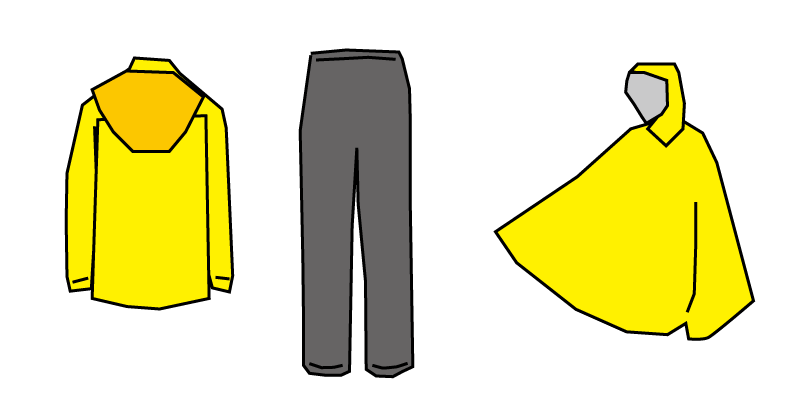
If you enjoy outdoor activities, you can also use general outdoor rainwear for cycling. While some designs may not be optimized for the forward-leaning riding position of cycling, they still provide sufficient performance and ease of movement. If there is a chance of steady rain in the forecast, it’s a good idea to prepare a more robust two-piece rainwear set (jacket and pants).
Especially in winter, this type of high-performance rainwear can also double as a windproof outer layer, helping you reduce the amount of clothing you need to carry.
Buying a Raincoat Locally
On the other hand, if the forecast is mostly cloudy or sunny and you’re only worried about occasional light showers, you may not need to prepare such full-scale rainwear. In that case, you can simply buy a simple raincoat at a local convenience store if it starts to rain. This is an effective way to keep your luggage light. Convenience stores (konbini) are found at several points along the route, and most stock basic raincoats at low prices.
Rain protection for your shoes
It’s uncomfortable when your shoes get wet in the rain and your socks become soaked. Especially when you get off your bike to explore a bit or take a break at a shop, having soggy shoes can feel really unpleasant. Of course, one option is to prepare fully waterproof shoes, but an easier alternative is “waterproof socks,” which I highly recommend.
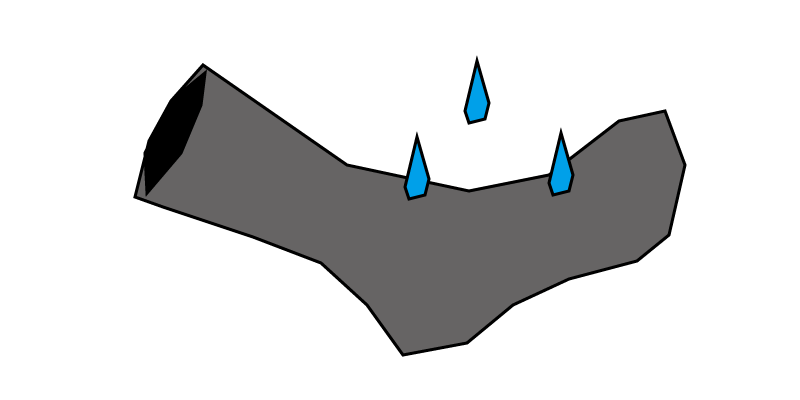
Waterproof socks are commonly used by people who enjoy hiking or fishing, and I also use them for cycling. No matter what kind of shoes you’re wearing, these socks can keep you surprisingly comfortable even in the rain. Compared to buying expensive waterproof shoes, they are more affordable and easy to prepare, and having a pair is useful in many situations.
Rain protection for eyewear
Eyewear is often used in cycling to protect your eyes, but in the rain, water droplets can reduce visibility. Clear vision is very important for a safe ride.
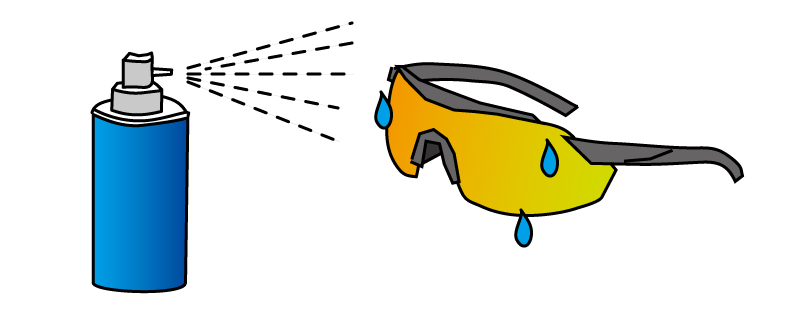
Several manufacturers offer water-repellent sprays specifically for eyewear, and many cyclists use them regularly. When I ride in the rain, I always make sure to use eyewear treated with a water-repellent spray. There are many types available, but I recommend using one designed specifically for eyewear.
Waterproofing your luggage
Use a fully waterproof backpack
Perhaps the most important part of rain preparation is making sure that the items you carry don’t get wet. It would be a big problem if your spare clothes, towels for the next day, or electronic devices like your smartphone and charger got soaked. I personally use fully waterproof backpacks and pannier bags on a regular basis.
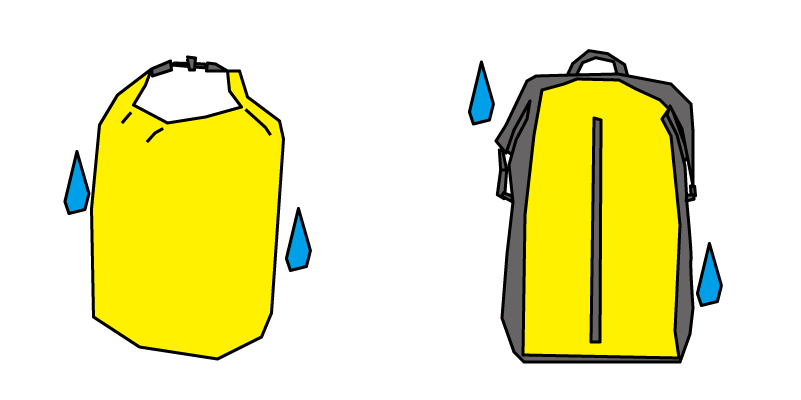
By the way, when it comes to fully waterproof saddle bags, pannier bags, and front bags designed specifically for cycling, the German brand “ORTLIEB” is probably the most well-known.
ORTLIEB bags offer excellent waterproof performance and come in a wide range of sizes and styles to suit different situations, which is why they are also popular among long-distance and world-travel cyclists. I use them for long rides as well, and I’ve never had my belongings get wet while using ORTLIEB bags.
Simple waterproofing ideas for your gear
These high-performance waterproof bags are very useful to have. However, they might feel a bit expensive if you’re buying one just for a single Shimanami Kaido cycling trip. As a simple alternative, you can put your clothes and other items into plastic bags or garbage bags before placing them in your backpack. Using double layers or large ziplock bags can provide even better waterproof protection.
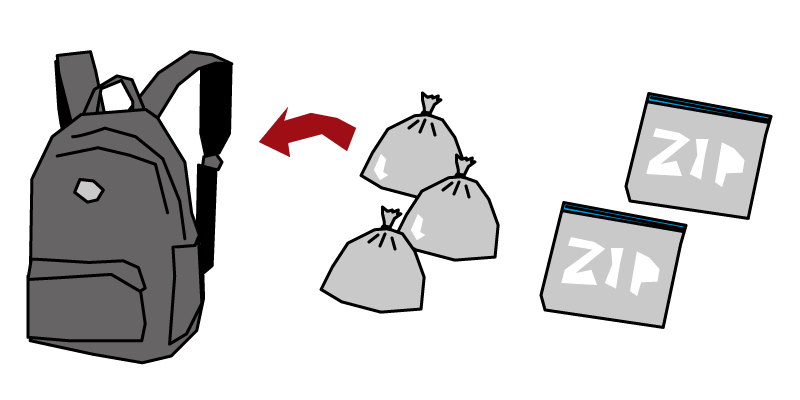
When you’re not using them for cycling trips, ziplock bags are still useful for everyday use. They may not look very stylish, but they are convenient for organizing items like cosmetics, medicine, coins, and small accessories. Since you can see what’s inside while also keeping things waterproof, they’re surprisingly practical. With a bit of creativity, you can use them in many ways!
Waterproofing your smartphone
You can also protect your smartphone from rain using ziplock bags as mentioned earlier, but having a dedicated waterproof phone case is much more convenient. Unlike other small items, you’ll often use your smartphone outdoors during your ride. For example, when you want to quickly check Google Maps, you may need to take it out even in the rain. Being able to use the touchscreen and face recognition makes it much more comfortable and reassuring.
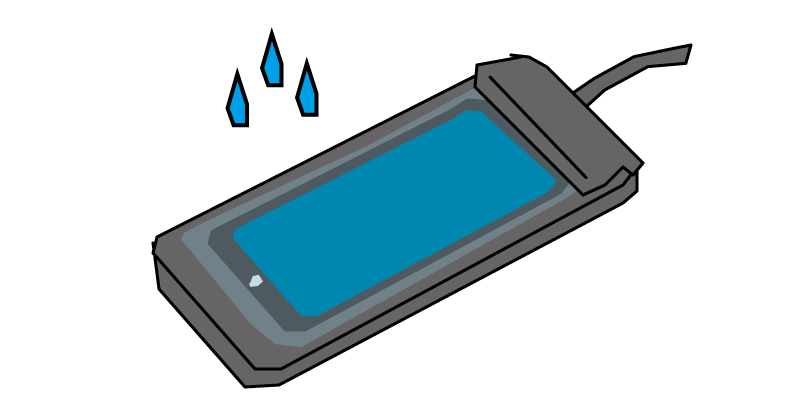
This kind of waterproof phone case is useful not only for cycling but also in everyday situations, such as when you want to use your smartphone in the bath. While more smartphones today come with water resistance, they are still electronic devices, so it’s always better to avoid getting them wet if possible.
By the way, I also use ziplock bags to protect my wallet and passport when cycling in the rain. Many smaller shops and local spots along the Shimanami Kaido do not accept credit cards or electronic payments, so it is a good idea to carry some cash. If your banknotes get wet, they may not work properly at self-checkout machines in convenience stores.
With a bit of creativity and preparation, cycling can become much more comfortable—even in the rain!
AD (Google AdSense)
Shortcuts and alternative plans
Canceling or shortening your ride
Weather changes are a natural part of cycling, especially when you spend long hours outdoors. Rather than fearing the weather, it can be helpful to accept it as part of the experience. With proper gear and thoughtful preparation, you may even be able to enjoy a bit of rain as part of your ride. On the other hand, if severe weather is expected, canceling your ride or shortening your route is also a valid option.

For example, if heavy rain is expected in the afternoon but the weather looks fine in the morning, you can shorten your route and still enjoy a comfortable and safe ride on the Shimanami Kaido. One option is to finish your ride before the rain starts and then continue your journey using public transportation. It’s also important not to feel that you must complete the entire route—being flexible can make your trip much more enjoyable.
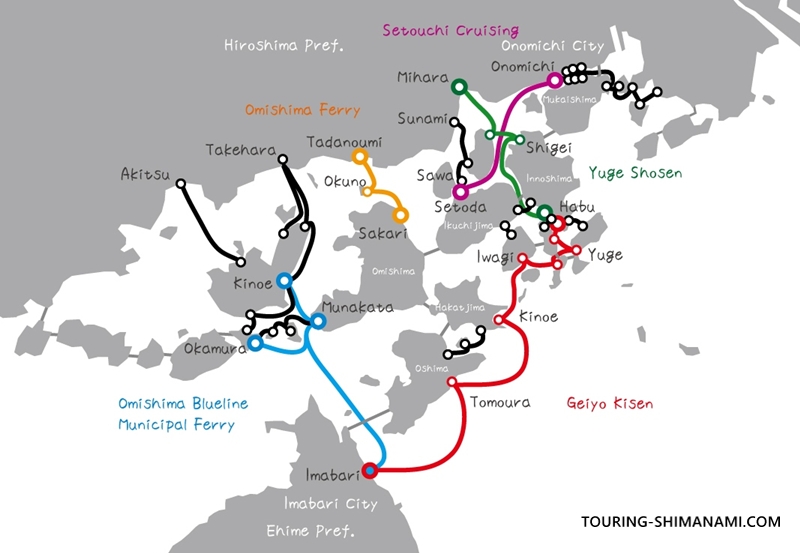
Main ferry and passenger boat routes along the Shimanami Kaido
Since there are no railways on the islands of the Shimanami Kaido, your main public transportation options are buses and ferries. If you bring your own bicycle or rent one from a private rental shop, you may be able to take it on certain buses if you use rinko (a method of disassembling your bicycle and placing it in a special bag for transport). Ferries are especially convenient for cycling trips because you don’t need to disassemble your bike, but you should be aware that services may be canceled depending on sea conditions.
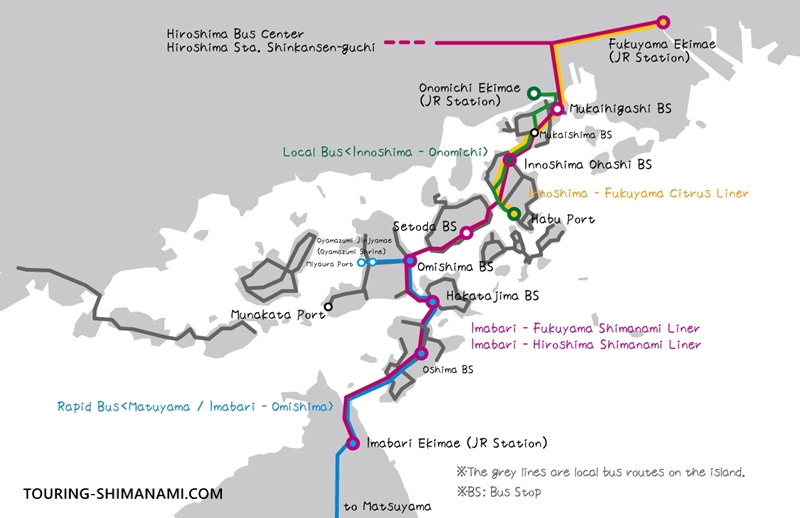
If you are using a public rental bike, you can also return it at a rental terminal on one of the islands and then continue your journey by bus or ferry. It’s a good idea to check in advance whether rental terminals are located close to bus stops or ferry ports. One of the biggest advantages of public rental bikes is the flexibility of where you can return them, which is especially helpful for first-time visitors cycling the Shimanami Kaido.

Alternative travel plans
If you decide to cancel your cycling plans due to rain, what are some alternative ways to enjoy your trip? One option is to switch from a bicycle to a rental car and explore the islands of the Shimanami Kaido. Places like the Murakami Kaizoku Museum, Oyamazumi Shrine, and Kosanji Temple, as well as local island food spots, can all be enjoyed even in rainy weather. Alternatively, you could visit nearby destinations such as the Dogo Onsen area in Matsuyama (Ehime Prefecture) or take a stroll through the old town of Onomichi (Hiroshima Prefecture), both of which have a charming atmosphere in the rain.

On days when rain is forecast all day, it’s important to be flexible and switch to a different plan.
AD (Google AdSense)
Important tips for cycling in the rain
Know where it gets slippery
The biggest difference between riding in dry and rainy conditions is the road surface. Even places that are normally not slippery can become unexpectedly slick when wet, increasing the risk of accidents such as falls.
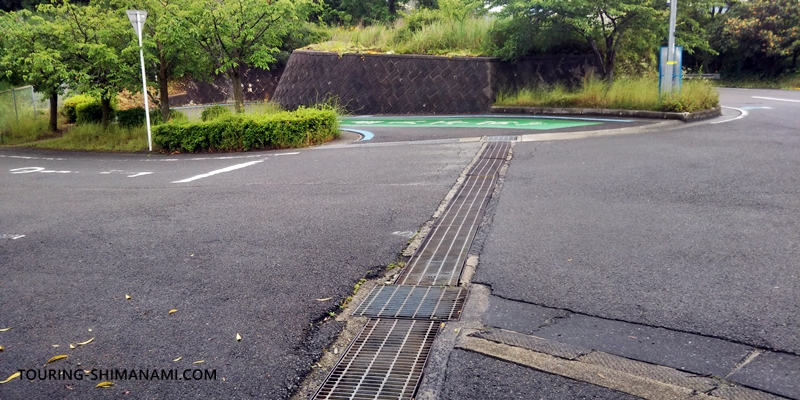
There are several types of surfaces that require extra caution when cycling. For example, metal surfaces such as drainage grates and manhole covers, as well as white road lines, can be very slippery. However, the blue line that marks the Shimanami Kaido route is said to use special paint that is less slippery. Even so, it’s best to avoid riding over these surfaces whenever possible.
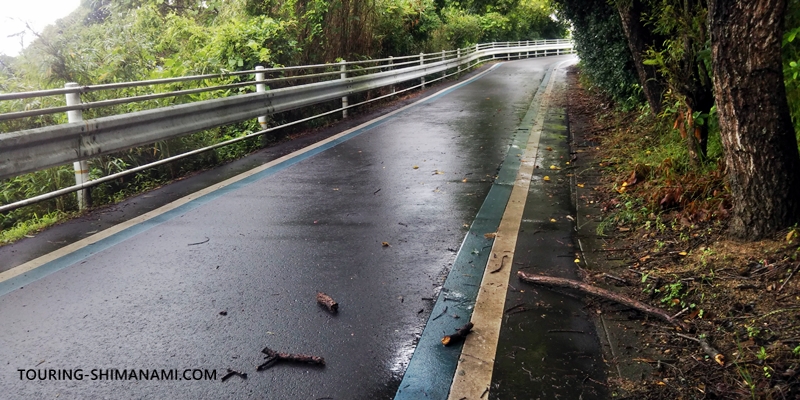
You should also be careful of areas that remain wet from previous rain, as well as fallen leaves or sandy patches, which can cause your tires to slip. In addition, watch out for uneven surfaces or steps. Wearing rain gear or having wet eyewear or glasses can significantly reduce visibility, so it’s important to stay extra alert and pay close attention to your surroundings while riding.
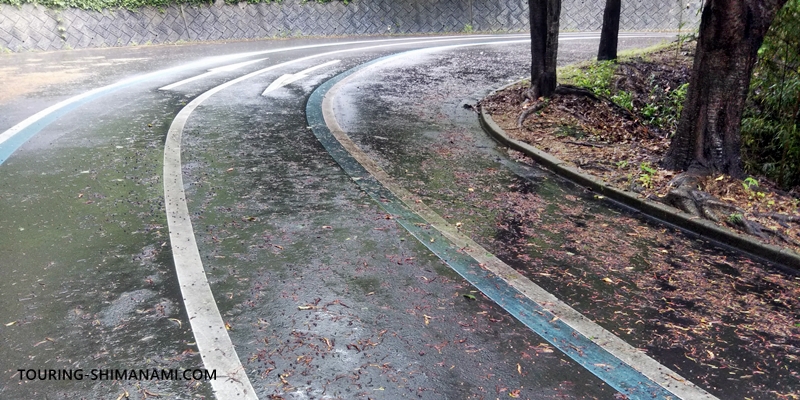
Being aware of these common hazards—especially when using an unfamiliar rental bike—will help you avoid accidents and enjoy a safer ride.
Keep your hands warm
In rainy weather, or during the cold winter season regardless of the weather, it’s important to keep your hands warm. When your hands get cold, your grip strength can weaken, making it difficult to apply force. This can be dangerous because it may affect your ability to brake properly. Cyclists often wear gloves not only to reduce fatigue and friction with padding, but also to keep their hands warm.
Watch out for mud splash on your back
Many of the sports bikes (such as cross bikes and road bikes) available from rental services on the Shimanami Kaido do not have fenders like city bikes. In rainy conditions or after rain when puddles are present, your tires can spray muddy water onto your back.
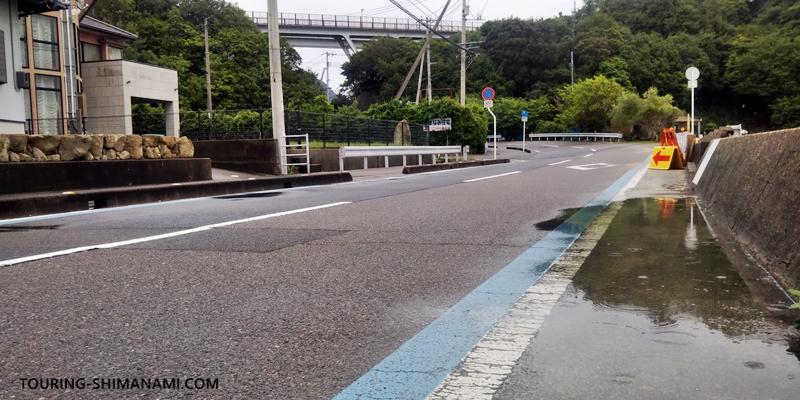
When cycling in bad weather, it’s best to wear clothes that you don’t mind getting dirty, or to keep your rainwear on even after the rain stops. While maintaining safety, try to avoid riding through puddles as much as possible. I’ve personally ended up with a streak of mud on my back many times.
Warm showers and hot springs
After cycling in the rain, try to take a warm shower or bath as soon as possible and change into dry clothes. In the old town area of Onomichi along the Shimanami Kaido, there is a coin-operated shower located on the north side of a complex facility called “Onomichi U2,” which is frequently used by cyclists. In central Imabari, near Imabari Station, there is also a bathing facility called “Shimanami Onsen Kisuke no Yu.”
Kisuke no Yu (Imabari)
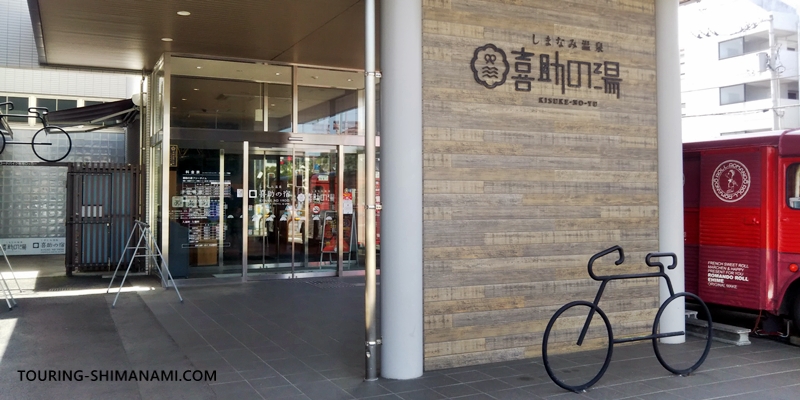
If you set your goal on the Imabari (Ehime) side, there are shower rooms at the Imabari Station Cycling Terminal, but just behind Imabari Station you will find the large hot spring complex “Kisuke no Yu.” It is a reasonably priced public bath facility that is open to most visitors. Note that, like many Japanese public baths, entry may not be permitted for guests with tattoos. Soaking in a hot bath after cycling is a very common and enjoyable part of Japanese culture. Kisuke no Yu also continues to introduce new services that support cyclists.
Onomichi U2 Coin Shower (Onomichi)
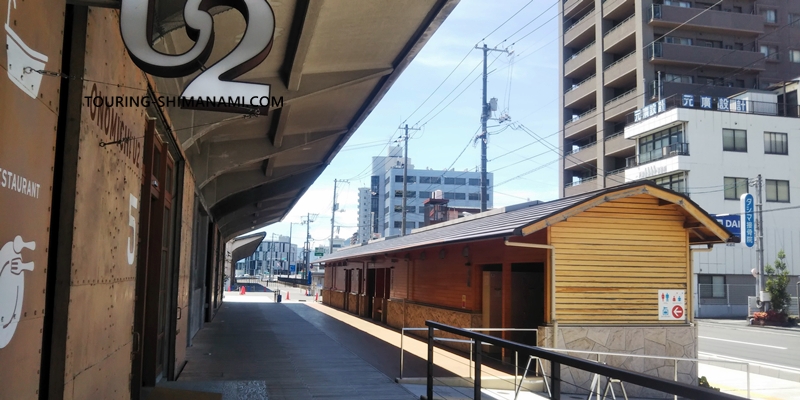
If you finish your ride on the Onomichi (Hiroshima) side, you can use the coin-operated showers located near the Onomichi U2 complex. There are also several public bathhouses in Onomichi, though many of them have a traditional and local atmosphere. If you’re interested in experiencing this side of Japanese culture, visiting a sento (public bath) could be a great option. In any case, be sure to warm up properly and take care not to catch a cold!
After cycling in the rain, soaking in a warm hot spring can help you relax—and you might even find yourself thinking it was actually a fun experience after all.
AD (Google AdSense)
Rainy seasons and weather forecasts
Rainfall on the Shimanami Kaido
Earlier, I briefly explained the characteristics of rain on the Shimanami Kaido by dividing days into three categories: “days without rain (0 mm precipitation),” “light rain days (0.5–9.5 mm),” and “heavy rain days (10 mm or more).” For those who want a more detailed understanding, let’s take a different perspective by looking not at the “number of rainy days,” but at the “total amount of rainfall.”
The data below, based on statistics from the Japan Meteorological Agency for the period from 1991 to 2020, shows how many days experienced different levels of rainfall. The values are monthly averages. As expected, the data clearly shows that June and July—the rainy season—have the most rainy days. The high total rainfall in September is likely due to typhoons. On the other hand, it seems fair to say that the risk of heavy rain in winter is quite low.
The chart above shows the average monthly precipitation in Imabari based on data from the Japan Meteorological Agency. From December to February, monthly precipitation is around 50 mm. One of the distinctive features of winter in the Seto Inland Sea area is that it is the driest season of the year.
Recommended weather forecast tools
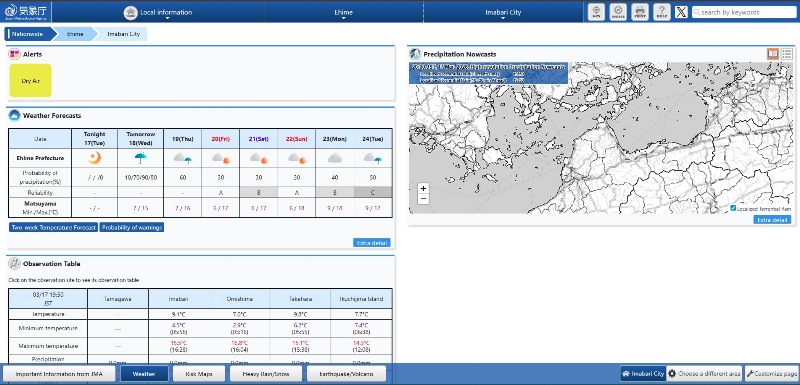
I often check the weather using the Japan Meteorological Agency website and Windy.com. On the JMA website, you can see a one-week forecast for each location along with a reliability rating (A to C). By checking both the forecast for Imabari City in Ehime Prefecture and Onomichi City in Hiroshima Prefecture, you can get a general idea of the weather across the Shimanami Kaido area (though the forecasts can sometimes be surprisingly different).
Windy.com is primarily focused on wind forecasts, but it also has a convenient smartphone app. In addition to easy-to-understand visual simulations of wind direction and strength, it can display weather satellite data and rain forecasts, making it a very useful tool.
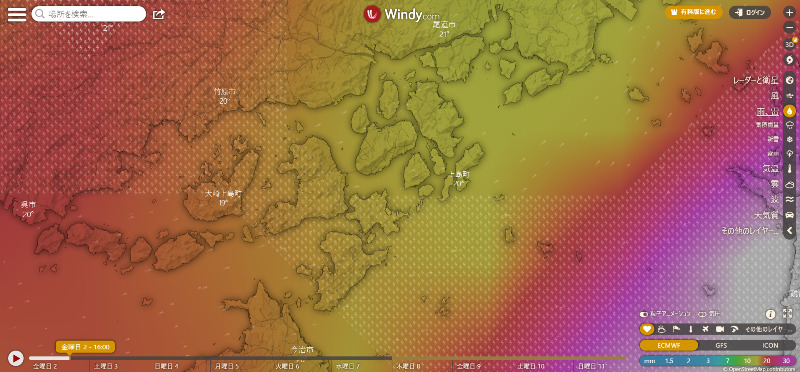
The islands of the Shimanami Kaido have complex terrain, and in reality, winds often wrap around the islands, making conditions less straightforward. The free version may not fully reflect these detailed terrain effects, but I think it is good enough to understand overall trends.
Be sure to check the wind forecast along with the weather forecast!
Scenery unique to rainy days
I feel that the scenery of the Shimanami Kaido on rainy days has a different kind of charm compared to sunny days. Of course, the scenery also changes with the seasons, but it can vary even within the same day depending on the time. What you get to see depends on where you are at that particular moment—something that makes cycling trips in the outdoors especially unique and enjoyable.
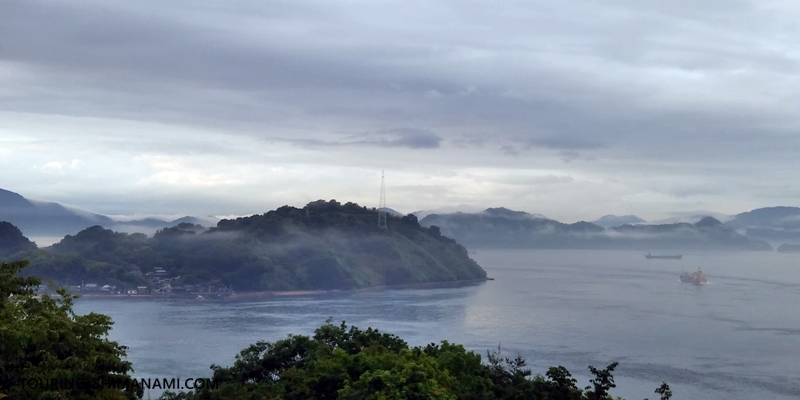
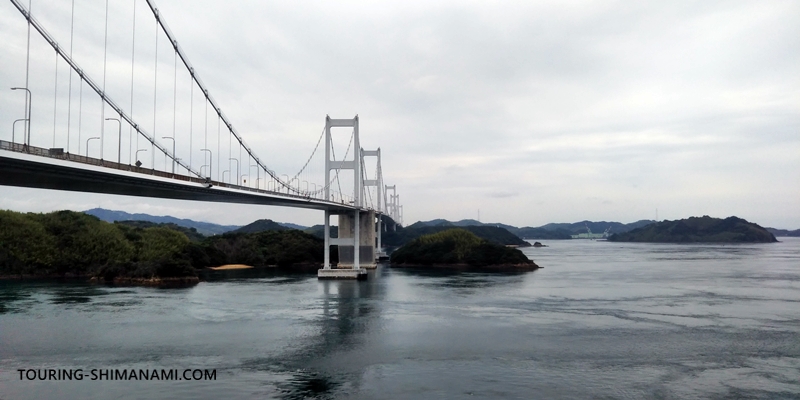
Depending on the weather conditions, you might even see low clouds covering the Kurushima Strait, or misty landscapes after the rain clears. The sight of ships sounding their foghorns through the mist feels almost magical—I personally love this kind of scenery, which is unique to the Seto Inland Sea.
It would be a shame to feel disappointed just because the weather isn’t ideal. I hope you can enjoy the Shimanami Kaido in a way that suits the conditions of the day.
AD (Google AdSense)
Frequently asked questions
- QIs it OK to use an umbrella while cycling on the Shimanami Kaido when it rains?
- A
No — cycling with an umbrella is illegal in Japan and carries a fine. Always use rainwear instead.
Holding an umbrella while riding a bicycle is a traffic violation under Japan’s Road Traffic Act, as it means operating the handlebars with only one hand and impairs your ability to brake safely. As of April 1, 2026, Japan introduced a new fixed-penalty system (“blue ticket”) for bicycle violations. Cycling with an umbrella now carries a ¥5,000 fine — issued on the spot by police.
This applies to all cyclists on the Shimanami Kaido, including visitors from overseas. The rule applies regardless of whether you are riding a rental bike or your own bicycle.
The correct approach in the rain is to wear a proper rain jacket and rain pants. If you are caught in a sudden shower and don’t have rain gear, you can buy an inexpensive raincoat at convenience stores along the route. Please do not use an umbrella while cycling — for your own safety and to stay within the law.
- QCan I cancel my rental bike reservation if it rains?
- A
It depends on the rental service. Always check the cancellation policy of your specific provider before booking.
The cancellation policy varies between public and private rental services, so there is no single answer. Below is a general guide:
- Public rental bikes (Shimanami Japan): Reservations can be made online up to three days in advance. For cancellations, please check the latest policy directly on the Shimanami Japan website, as terms can change. In general, same-day cancellations due to weather are not guaranteed to be fee-free.
- Private rental shops (e.g., GIANT Store, Red Bicycles): Each shop has its own cancellation policy. Some shops are flexible with weather-related cancellations if you contact them in advance, but this is not guaranteed.
Rather than cancelling outright, keep in mind that light rain does not necessarily ruin your ride. A better strategy may be to check the weather forecast the morning of your trip and decide then. The Shimanami Kaido area has roughly 23+ rain-free days per month, so even if the forecast looks uncertain, conditions often improve.
If heavy rain is confirmed, contacting your rental provider as early as possible gives you the best chance of a smooth cancellation or rescheduling.
- QIs it safe to cycle across the bridges in the rain?
- A
It is generally safe with proper preparation, but there are specific hazards on the bridges that you should know about.
The bridges of the Shimanami Kaido have dedicated cycling paths that are separate from vehicle traffic, so the risk from cars is low even in wet conditions. However, there are two particular hazards to be aware of when crossing bridges in the rain:
① Slippery metal surfaces and road markings Bridge surfaces can include metal expansion joints, drainage grates, and white road markings, all of which become extremely slippery when wet. Slow down before crossing these sections and try to avoid riding directly over them when possible. The blue route markers on the Shimanami Kaido use a special low-slip paint, but it is still wise to treat all painted surfaces with caution in the rain.
② Strong crosswinds The bridges of the Shimanami Kaido are elevated and exposed, and crosswinds can be significantly stronger than at ground level — especially during or after rain. A sudden gust can pull at your handlebars and destabilize your bike. Hold the handlebars firmly with both hands when crossing, keep your speed moderate, and stay alert to wind changes. Windy.com is a useful tool for checking wind forecasts in the area before you set out.
- QWhat should I do if it suddenly starts raining during my ride?
- A
Stay calm, find a safe place to stop, and then decide your next step based on the forecast.
Sudden rain is one of the most common situations cyclists face on multi-day trips. Here is a practical step-by-step approach:
- Find a safe spot to stop — convenience stores, roadside rest areas (Cycle Oases), or covered bus stops are ideal. Do not try to put on rain gear while still moving.
- Put on your rain gear before you get too wet — once you are soaked, it is difficult to warm up. Act quickly.
- Check the weather forecast — use the Japan Meteorological Agency website or the Windy.com app to see whether the rain is likely to pass soon or continue for the rest of the day.
- Decide your plan — if it looks like a passing shower, waiting 20–30 minutes is often enough. If heavy rain is expected for several hours, consider using a bus or ferry to shorten your route.
Convenience stores are spaced at reasonable intervals along the islands of the Shimanami Kaido, and they sell basic raincoats if you do not have one. The route also has registered Cycle Oases — local shops and facilities that welcome cyclists and provide a place to rest.
- QAre there any other cycling laws in Japan that overseas visitors should know about for rainy days?
- A
Yes — several important rules apply specifically in wet conditions, and some are new as of April 2026.
Japan introduced a fixed-penalty “blue ticket” system for bicycle violations on April 1, 2026. This means police can now issue on-the-spot fines to cyclists (aged 16 and over) for a wide range of traffic offences — no longer just a verbal warning. Here are the most relevant rules for rainy-day cycling on the Shimanami Kaido:
Rule Fine (from April 2026) Cycling with an umbrella ¥5,000 Using a smartphone while riding ¥12,000 Riding without lights at night ¥5,000 Riding side by side (where prohibited) ¥3,000 A few additional points worth noting for rainy conditions:
- Using earphones/headphones while cycling is also a violation (¥5,000 fine). In the rain, it is especially important to stay alert to sounds around you — including cars and other cyclists — so avoid wearing headphones on the road.
- Wet banknotes may not work in convenience store self-checkout machines. Keep your wallet in a waterproof bag or ziplock to avoid inconvenience.
- Helmets — while not yet legally mandatory for adult cyclists in Japan, wearing one is strongly encouraged and is already common practice on the Shimanami Kaido.
These rules apply equally to visitors from overseas. Being aware of them in advance will help you enjoy your ride safely and without any unexpected fines.
On this page, I’ve summarized in detail the preparation and precautions for cycling in the rain. You can find more comprehensive information about cycling on the Shimanami Kaido—suitable for beginners to advanced riders—on the page below, so I hope it will be helpful for your trip planning.